How Maintenance Businesses Can Build a Trusted Online Reputation
 By Steven Quayle
Before requesting a quote or booking a service, many decision-makers check online reviews. These reviews provide insight into service quality, professionalism, response times and overall customer satisfaction.
However, a strong online reputation cannot be built through shortcuts. It requires consistent service, structured communication and a reliable process for collecting genuine customer feedback.
Why Online Reviews Matter for Maintenance Companies
Maintenance services often involve urgent or high-value decisions. A facility manager dealing with an equipment failure cannot afford to choose an unreliable contractor. Similarly, a property manager needs service providers who can complete repairs without creating additional disruption.
Online reviews help potential customers evaluate whether a maintenance company is dependable. Positive customer experiences can demonstrate that the business:
Responds to service requests promptly
Arrives within the agreed time window
Communicates delays or additional costs clearly
Completes repairs professionally
Maintains accurate service records
Follows up after the work is finished
These details can influence whether a prospect contacts the company or moves to a competitor.
Some businesses may come across services that claim to buy verified Trustpilot reviews, but long-term credibility is best achieved through authentic customer experiences and transparent review collection practices that comply with platform guidelines.
Start With a Consistent Service Process
Reputation management begins long before a customer submits a review. It starts with the service experience itself.
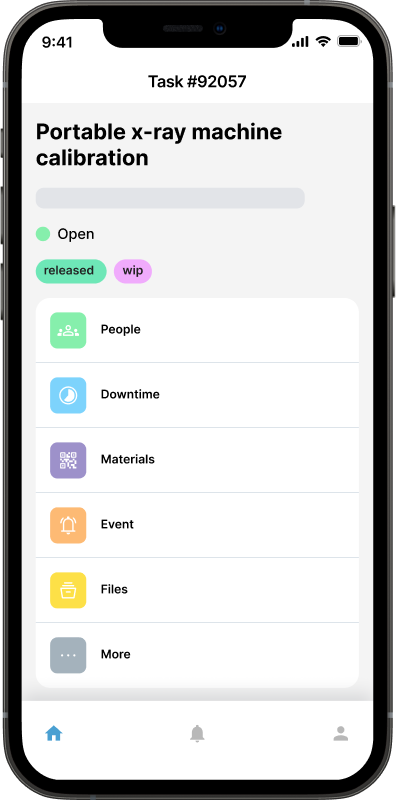
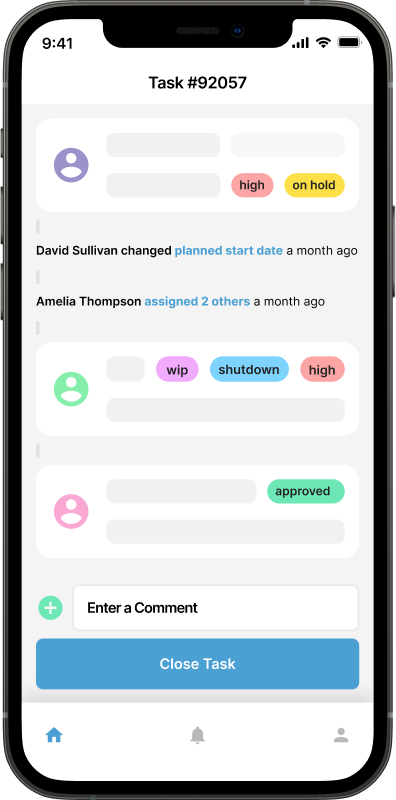
Maintenance companies should establish clear processes for handling enquiries, assigning technicians, updating customers and closing work orders. A centralised maintenance-management system can help teams record customer requests, track job progress and maintain a complete history of completed work.
When technicians and office staff have access to the same information, customers receive more accurate updates. This reduces confusion and creates a more professional experience.
A consistent process also makes it easier to identify recurring service issues. For example, if customers regularly complain about delayed arrival times, managers can review scheduling procedures and technician workloads before the problem damages the company’s reputation.
Ask for Feedback at the Right Time
Many satisfied customers never leave reviews simply because they are not asked.
The best time to request feedback is shortly after a successful service visit. At this point, the customer remembers the experience and can provide specific comments about the technician, repair or communication process.
A review request can be added to:
Work-order completion emails
Service invoices
Customer follow-up messages
Appointment-confirmation systems
Post-service satisfaction surveys
The message should be simple and direct. Customers should understand that their honest feedback is valued, regardless of whether it is positive or critical.
Avoid pressuring customers to provide a five-star rating. A genuine review process should invite honest opinions rather than attempt to control the outcome.
Make the Review Process Simple
Customers are less likely to submit feedback when the process involves multiple steps. Maintenance companies should provide a direct link to the appropriate review page and keep the request brief.
A useful message might say:
"Thank you for choosing our maintenance team. We would appreciate your honest feedback about today's service. Your review helps us improve our work and provide a better experience."
The review link should work properly on both desktop and mobile devices. Businesses should also test the customer journey regularly to identify broken links or unnecessary steps.
Respond Professionally to Every Review
Reputation management does not end when a review is published. The company's response can be just as important as the original feedback.
Positive reviews should receive a brief and personalised acknowledgement. Instead of posting the same generic response every time, mention a relevant detail from the customer's experience where appropriate.
Negative reviews require a calm and professional approach. Businesses should avoid arguing publicly or dismissing the customer's concerns. A suitable response should:
Acknowledge the issue.
Apologise for the customer's experience when appropriate.
Explain that the matter will be reviewed.
Invite the customer to continue the conversation privately.
Provide a clear contact method.
A professional response demonstrates accountability to both the reviewer and future customers reading the exchange.
Use Customer Feedback to Improve Operations
Reviews should not be treated only as marketing material. They can also reveal operational weaknesses.
Maintenance managers can categorise customer feedback according to common themes, such as:
Technician punctuality
Communication quality
Repair effectiveness
Pricing transparency
Site cleanliness
Follow-up service
Scheduling convenience
These insights can be compared with work-order information, technician reports and customer-service records. If the same issue appears repeatedly, management can introduce additional training or adjust the relevant process.
Positive feedback is equally valuable. It helps businesses identify high-performing employees and service practices that should be repeated across the organisation.
Showcase Genuine Customer Experiences
Authentic reviews can support a company's broader marketing strategy. With the customer's permission, businesses can feature selected testimonials on service pages, proposal documents, social media posts and case studies.
The strongest testimonials usually include specific details. For example, a review explaining how a technician resolved an urgent equipment problem is more persuasive than a generic comment stating that the service was good.
Companies should present testimonials accurately and avoid editing feedback in a way that changes its original meaning.
Monitor Review Platforms Regularly
Customer feedback can appear across several platforms, including industry directories, social networks and business-review websites. Maintenance companies should monitor these channels consistently so that important comments are not overlooked.
Businesses targeting regional markets may also notice searches related to buy Trustpilot reviews USA, but maintaining a strong reputation through genuine customer engagement and consistent service quality delivers far more sustainable results than relying on artificial review tactics.
Assigning responsibility to a specific employee or department can prevent reviews from remaining unanswered. Larger organisations may also use reputation-management software to centralise notifications and track response activity.
A regular review process helps businesses identify emerging issues before they affect a larger number of customers.
Build Trust Through Transparency
Customers understand that service problems can occasionally occur. What matters is how the company responds.
Transparent communication about delays, pricing changes, replacement parts and repair limitations can prevent misunderstandings. When a mistake happens, acknowledging it and providing a practical resolution is more effective than attempting to hide the issue.
Over time, this approach creates a reputation based on accountability rather than appearance.
Final Thoughts
A reliable online reputation is built through genuine customer experiences, not artificial ratings. Maintenance businesses that provide consistent service, request honest feedback and respond professionally can strengthen customer confidence while gaining valuable operational insights.
By connecting reputation management with work-order processes, customer communication and service-quality monitoring, maintenance companies can create long-term trust that supports both customer retention and sustainable business growth.
Further Reading

Fixed Asset Management: A Complete Guide to Tracking Assets Across Their Lifecycle
Fixed asset management spans two worlds: the financial and the operational. This guide covers the full asset lifecycle, from acquisition and maintenance tracking to depreciation and disposal, and explains where CMMS fits in.
Read more →
What is Fixed Asset Management?
Fixed asset management refers to the process of tracking, monitoring, and maintaining a company's physical assets throughout their lifecycle.
Read more →
What is the 75% Maintenance Rule in Asset Management: When to Repair or Replace
What exactly is the 75% maintenance rule, how is it applied, and why should it be integrated into your Computerized Maintenance Management System (CMMS)?
Read more →
Work Order Software: Bridging the Gap in Asset Management and Maintenance
The efficient management of assets and maintenance has become a critical component of success. Businesses across various industries rely on their assets, be it machinery, equipment, or facilities, to deliver their products and services efficiently. To achieve this, organizations are increasingly turning to software asset management solutions and facility management systems to streamline operations and maximize productivity.
Read more →
Asset Management in the Cloud: Benefits and Best Practices
Businesses are increasingly turning to the cloud to streamline their operations and enhance efficiency. One crucial aspect that benefits immensely from this shift is asset management. Embracing cloud solutions for asset management not only offers a plethora of advantages but also necessitates adherence to best practices to maximize its potential.
Read more →