Managing Volunteer Maintenance Teams at Churches: A Complete Guide
 By Eve
Most churches can't afford a full-time facilities manager. Instead, they rely on volunteers (retired tradespeople, handy congregation members, and willing helpers) to keep buildings safe and functional. This creates a unique challenge: how do you maintain professional-quality facilities with a team that changes frequently, has limited availability, and works for free?
The answer isn't working your volunteers harder. It's working smarter, with clear systems, the right tools, and an approach that respects people's time while getting the job done.
Why Volunteer Maintenance Programs Struggle
Before building a better system, understand why most church volunteer maintenance efforts fall short:
No clear ownership: When everyone is responsible, no one is responsible. Tasks get duplicated or ignored because nobody knows who's handling what.
Poor communication: Volunteers show up not knowing what needs doing. Or they complete a task someone else already finished. Or they can't find the supplies they need.
Knowledge walks out the door: When your best volunteer moves away, all their institutional knowledge (which HVAC unit is temperamental, where the shutoff valves are, what the alarm code is) goes with them.
Burnout: The same few reliable people get asked to do everything. Eventually, they burn out or start saying no.
Reactive chaos: Without preventive maintenance systems, every problem is an emergency. Volunteers spend all their time firefighting instead of preventing fires.
Building Your Volunteer Team
Identify the Skills You Need
Not every task requires a licensed contractor. Sort maintenance needs into categories:
General tasks anyone can do: changing light bulbs, basic cleaning, yard work, painting, minor repairs. These form the bulk of maintenance work and need the most volunteers.
Skilled tasks requiring experience: plumbing repairs, electrical troubleshooting, HVAC maintenance, carpentry. Look for retired tradespeople or congregation members who work in these fields.
Licensed work requiring professionals: major electrical, gas lines, structural work, fire system inspection. Budget for contractors. Don't ask volunteers to do work that requires permits or could create liability.
Recruit Intentionally
Don't just make generic announcements asking for "facilities volunteers." Instead:
Ask for specific skills: "We need someone comfortable with basic plumbing repairs"
Define time commitments: "2 hours per month" is less intimidating than "join the facilities team"
Target specific people: Approach the contractor you know attends services
Offer variety: Some people want to work alone, others prefer group workdays
Welcome all abilities: Not everyone can climb ladders, but they can organize supply closets
Create a Simple Structure
Even volunteer teams need organization. At minimum, establish:
A facilities coordinator: one person who owns the overall maintenance program. They don't do all the work, but they know what needs doing and who's doing it.
Area leads (for larger facilities): someone responsible for grounds, someone for the sanctuary, someone for the kitchen and fellowship hall.
A reporting path: how do congregation members report problems? Who receives those reports? How are they prioritized and assigned?
Training Without Overwhelming
Volunteers didn't sign up for a second job. Keep training minimal and practical:
Essential Knowledge for All Volunteers
Location of main shutoffs (water, gas, electrical panels)
How to access supplies and tools
Emergency contacts
What NOT to attempt (know when to call a professional)
How to report completed work
Document Institutional Knowledge
Create simple reference materials that survive volunteer turnover:
Equipment manuals and warranty information in one accessible location
Photos of equipment labels, model numbers, and filter sizes
Vendor and contractor contact list with notes on past work
Known quirks: "The fellowship hall thermostat reads 5 degrees low"
Maintenance history for major equipment
A CMMS system stores all this information digitally, attached to each asset. When a volunteer scans the QR code on the boiler, they see its complete history and any special notes.
Assigning and Tracking Work
Clear task assignment prevents duplication, confusion, and dropped balls.
Make Requests Easy to Submit
If reporting a problem is difficult, people won't do it. Small issues go unreported until they become big problems. Provide simple ways to submit maintenance requests:
A physical request box in a central location
An email address monitored by the facilities coordinator
A simple online form
QR codes in each room that link directly to a request form
Match Tasks to Volunteers
Consider each volunteer's:
Skills and experience
Physical abilities and limitations
Availability (evenings? weekends? weekdays?)
Preferences (some love mowing, others hate it)
Keep a simple roster with this information so the right tasks go to the right people.
Communicate Clearly
When assigning a task, include:
What needs to be done (specific and clear)
Where (exact location)
When it's needed by
Where to find supplies or tools
Who to contact with questions
How to report completion
"Can you look at the bathroom?" is a bad assignment. "The men's restroom near the fellowship hall has a running toilet. Parts are in the supply closet. Please fix by Sunday and text me when done" is a good one.
 Scheduling Strategies That Work
Monthly Workdays
Schedule regular group workdays, perhaps the first Saturday of each month. Benefits:
Volunteers can plan around a consistent schedule
Larger projects become possible with multiple helpers
Builds community among the maintenance team
Allows skill sharing between experienced and newer volunteers
Flexible Individual Tasks
Not everyone can commit to scheduled workdays. Maintain a list of tasks that can be done anytime:
"The sanctuary lights need changing: supplies in closet B"
"Fellowship hall chairs need tightening: tools in maintenance room"
Volunteers can grab these tasks when they have time, even 30 minutes between services.
Seasonal Deep Dives
Organize larger events quarterly or seasonally:
Spring cleaning and grounds beautification
Fall winterization day
Pre-Christmas building preparation
Annual deep clean and inspection
These events can involve the whole congregation, not just the regular maintenance team.
Keeping Volunteers Engaged
Volunteer retention matters more than recruitment. Losing experienced volunteers costs more than the time to replace them. You lose institutional knowledge, relationships with vendors, and understanding of building quirks.
Show Appreciation
Thank volunteers publicly and privately
Acknowledge their work in church communications
Host an annual appreciation event
Send personal thank-you notes for significant contributions
Respect Their Time
Have supplies ready before they arrive
Provide clear instructions so they're not guessing
Don't pile on extra tasks when they come to help
Honor the time commitment they agreed to
Share the Load
Rotate responsibilities so no one gets burned out
Actively recruit to expand the team
Say no to scope creep: stick to actual maintenance needs
Budget for contractors when volunteer capacity is exceeded
Make It Meaningful
Connect the work to the mission. Maintaining the building creates a welcoming space for worship, ensuring safety for children's programs, and stewarding resources entrusted to the church.
Tools That Help
The right tools make volunteer coordination much easier.
Communication
Group text or messaging app for quick coordination
Shared calendar for workdays and scheduled tasks
Email list for non-urgent updates
Task Management
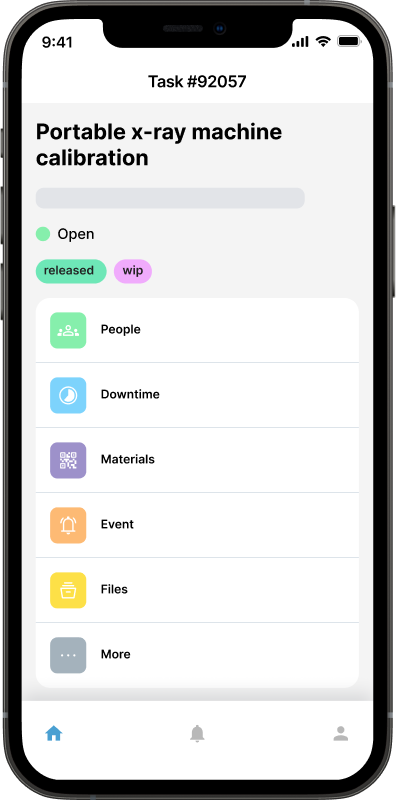
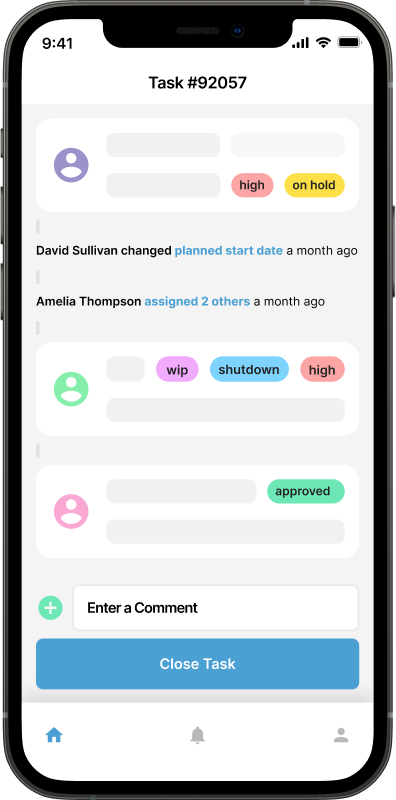
Spreadsheets work for small operations, but they break down as complexity grows. A maintenance management system designed for churches provides:
Automatic scheduling of recurring tasks
Mobile access for volunteers to view and update tasks
Complete history of what's been done on each piece of equipment
Easy request submission for congregation members
Visibility for leadership into maintenance status
Documentation
Cloud storage for manuals, warranties, and reference materials
Photo documentation of completed work and existing conditions
Vendor contact database with notes on past work
Getting Started
You don't need to implement everything at once. Start with these three steps:
Appoint a facilities coordinator: one person who owns the program
Create a simple request system: even a dedicated email address is better than nothing
Schedule your first monthly workday, and commit to making it consistent
As your program matures, add structure and tools as needed. The goal is sustainable, effective facility maintenance rather than perfect processes.
Ready to give your volunteer team better tools? Maintainly is simple enough for volunteers to use without training, affordable for church budgets, and powerful enough to manage facilities of any size. Start your free trial today.
Further Reading

How Churches and Non-Profits Can Benefit from CMMS Software
Originally designed for industrial and commercial enterprises, CMMS software offers numerous benefits to churches and non-profits, helping them achieve efficiency, consistency, and cost savings in their maintenance operations.
Read more →
Work Order Management: A Complete Guide
What a work order is, how the lifecycle works, how tracking and automation change a maintenance team, what to look for in work order software, and what changes by industry.
Read more →
Mobile CMMS Apps: Empower Your Maintenance Team Anywhere
Maintainly is designed to keep your team connected, informed, and productive, wherever their work takes them. Whether you're managing reactive work orders in a busy production facility or performing preventive maintenance in the field, Maintainly ensures your team has everything they need in the palm of their hand.
Read more →