Maintaining Aging Church Buildings: Balancing Preservation and Modern Needs
 By Steven Quayle
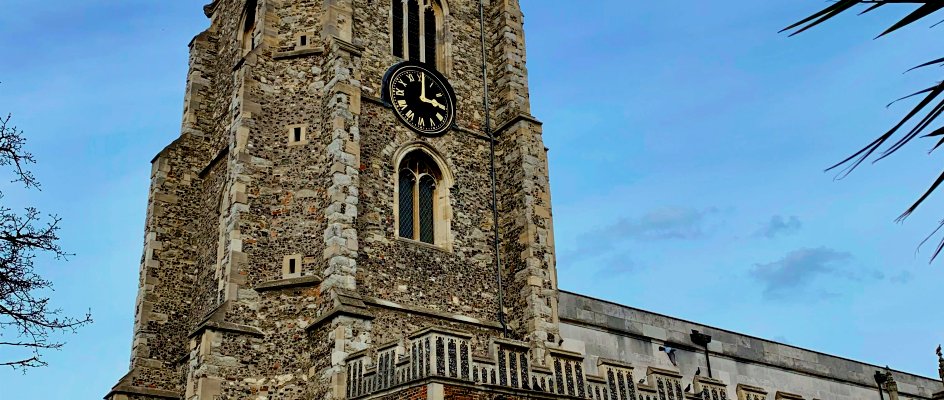
The church building is 80 years old. The stone foundation has settled. The stained glass needs restoration. The heating system predates most of your congregation. And every repair seems to uncover two more problems.
If this sounds familiar, you're not alone. Many churches worship in buildings constructed 50, 100, or even 200 years ago. These structures have character, history, and significance that modern buildings can't replicate. But they also have aging infrastructure, outdated systems, and maintenance challenges that require a different approach.
This guide delves into the most common problems and thignngto look out for when setting up a maintenance management program for your historic church building; protecting its heritage while keeping it safe, functional, and ready for worship.
Common Challenges with Aging Church Buildings
Older buildings share similar problems. Understanding these helps you anticipate issues before they become emergencies.
Foundation and Structure
Settling and shifting. Over decades, foundations move. This causes cracks in walls, doors that stick, and windows that won't close properly. Some settlement is normal and doesn't indicate danger, but progressive movement needs professional evaluation.
Moisture infiltration. Stone and brick absorb water over time. Without proper drainage, this leads to efflorescence (white salt deposits), spalling (surface flaking), and interior water damage. Basements in older churches are notorious for moisture problems.
Deteriorating mortar. The mortar between bricks or stones deteriorates faster than the masonry itself. Repointing (removing old mortar and replacing it) is routine maintenance for masonry buildings older than 50 years.
Roofing
Slate and tile roofs last 75-100+ years but require specialized repair. Individual slates crack or slip over time. The flashing around chimneys and valleys fails before the slate itself. Finding contractors skilled in historic roofing can be difficult.
Flat roofs on additions often have shorter lifespans and need more frequent attention. Many churches have education wings or fellowship halls added in the 1950s-70s with flat or low-slope roofs that are now past their expected life.
Drainage systems (gutters, downspouts, and internal drains) clog and corrode. Poor roof drainage causes most water damage problems in older buildings.
Mechanical Systems
Heating systems in older churches vary widely: steam boilers, hot water radiators, converted coal furnaces, or a patchwork of systems added over decades. Original equipment may still work but operates inefficiently and parts become unavailable.
Electrical systems installed before modern codes may have inadequate capacity, outdated wiring (knob-and-tube), or insufficient outlets. Adding modern AV equipment, computers, and lighting often overloads original circuits.
Plumbing in buildings over 60 years old may include galvanized steel pipes (which corrode internally), cast iron drains (which crack), and fixtures that no longer meet accessibility requirements.
Special Features
Stained glass windows require specialized maintenance. The lead came holding glass pieces deteriorates. Glass panels bow outward over time. Protective glazing on the exterior needs periodic replacement.
Pipe organs need humidity control, regular tuning, and periodic restoration. Environmental changes (especially installing air conditioning) can damage organ components.
Bell towers and steeples experience more weathering than the rest of the building. Water infiltration, bird damage, and structural issues with bells and mounting hardware require attention.
Prioritizing Repairs When Everything Needs Work
With limited budgets and endless needs, how do you decide what to fix first? Use this framework:
Priority 1: Safety Issues
Address immediately. These include:
Structural concerns (significant cracks, leaning walls, sagging floors)
Electrical hazards (exposed wiring, overloaded circuits, burning smells)
Fall hazards (broken steps, loose railings, uneven walkways)
Fire safety deficiencies (blocked exits, missing extinguishers, faulty alarms)
Gas leaks or carbon monoxide concerns
Priority 2: Water Infiltration
Water causes more damage to buildings than any other factor. Stop water entry before it causes secondary damage:
Roof leaks (even small ones)
Failed flashing and caulking
Clogged or damaged gutters and downspouts
Foundation drainage problems
Window and door weather sealing
Priority 3: Prevent Further Deterioration
Address problems that worsen over time if ignored:
Masonry repointing before water damage spreads
Wood rot repair before structural damage occurs
Paint and protective coatings
HVAC maintenance to prevent system failure
Priority 4: Functionality and Comfort
Once the building is safe and protected, address usability:
Heating and cooling improvements
Accessibility upgrades
Restroom renovations
Lighting and electrical upgrades
AV and technology infrastructure
Priority 5: Aesthetics
Cosmetic improvements come last, once structural and functional needs are met:
Interior painting and decoration
Furniture refinishing or replacement
Landscaping enhancements
Decorative restoration projects
 Working with Historic Preservation Requirements
If your church is listed on a historic register or located in a historic district, certain repairs and modifications may require approval. This can feel restrictive, but understanding the process makes it manageable.
What Typically Requires Review
Changes to exterior appearance (windows, doors, roofing materials)
Additions or alterations visible from public ways
Demolition of any part of the building
Some interior work if interiors are specifically protected
What Usually Doesn't Require Review
Routine maintenance and in-kind repairs (replacing damaged materials with matching ones)
Interior work not affecting character-defining features
Mechanical system maintenance
Emergency repairs (though documentation may be required after)
Tips for Working with Preservation Boards
Contact them early, before finalizing plans. They can guide you toward approvable solutions.
Document existing conditions thoroughly before starting work.
Use contractors experienced with historic buildings. They know what reviewers expect.
Be patient. Review processes take time but protect your building's heritage.
Explore tax credits and grants available for approved preservation work.
Finding the Right Contractors
Historic buildings need contractors who understand old construction methods and materials. The wrong approach can cause more harm than good.
Red Flags to Avoid
Contractors who want to replace rather than repair
Using modern materials incompatible with historic ones (like Portland cement mortar on old brick)
No experience with buildings over 50 years old
Pressure to make quick decisions without proper evaluation
Good Signs
Portfolio of historic building projects
References from other churches or historic properties
Knowledge of historic materials and techniques
Willingness to work with preservation requirements
Thorough assessment before proposing solutions
Specialist Trades to Know
Build relationships with specialists before you need them urgently:
Historic masonry contractors (repointing, stone repair)
Slate and tile roofers
Stained glass conservators
Pipe organ technicians
Historic window restoration specialists
Structural engineers experienced with historic buildings
Preventive Maintenance for Older Buildings
Preventive maintenance is even more critical for aging buildings. Small problems become expensive disasters faster when systems and materials are already stressed.
Monthly Inspections
Walk through all spaces looking for new cracks, stains, or changes
Check for musty smells indicating moisture problems
Test sump pumps and drainage systems
Monitor known problem areas
Seasonal Priorities
Spring: Assess winter damage to masonry, roof, and foundation. Clean gutters. Check for frost heave damage to walkways and steps.
Summer: Schedule masonry repairs (mortar needs warm temperatures to cure). Paint exterior wood. Address drainage issues before fall rains.
Fall/Autumn: Clean gutters after leaves drop. Prepare heating systems. Seal gaps around windows and doors. Check weatherstripping.
Winter: Monitor heating system performance. Watch for ice dams. Check for frozen pipes after cold snaps. Plan spring projects.
Annual Assessments
Professional roof inspection
HVAC system service
Fire safety system inspection
Electrical system check (especially if capacity concerns exist)
Documenting Your Building
Good records are essential for maintaining older buildings. They help you:
Track what's been done and when
Identify recurring problems
Plan and budget for future work
Meet preservation documentation requirements
Provide contractors with building history
What to Document
Building history and original construction details (if known)
Previous repairs and modifications with dates
Equipment specifications and installation dates
Warranty information
Contractor and vendor contact information
Photos of existing conditions and completed work
A CMMS (computerized maintenance management system) keeps all this information organized and accessible. Every repair, inspection, and maintenance task gets recorded with the asset it relates to. When a contractor asks "when was this last serviced?" you can answer immediately.
Funding Major Projects
Major repairs on historic buildings are expensive. Plan for them:
Capital reserves: Budget annually for building maintenance, not just routine operations. A common guideline is 2-4% of building replacement value per year.
Grants: Historic preservation organizations, state and local governments, and private foundations offer grants for qualified projects. Start researching before you need the money.
Tax credits: Federal and state historic rehabilitation tax credits can offset 20-25% of qualified expenses. These require following preservation standards but make major projects more affordable.
Capital campaigns. Major building projects often warrant dedicated fundraising beyond regular giving.
Modern Tools for Historic Buildings
Technology doesn't conflict with preservation. It supports it. Modern maintenance tools help you:
Schedule preventive maintenance before problems develop
Track the complete history of every building system
Document conditions with photos and notes
Generate reports for trustees and preservation boards
Plan and budget for future capital projects
Maintainly helps churches maintain buildings of any age. Attach complete maintenance histories to each asset. Schedule preventive maintenance tasks that repeat automatically. Give volunteers mobile access to view tasks and log completed work. Start your free trial and give your historic building the maintenance system it deserves.
Further Reading
How Churches and Non-Profits Can Benefit from CMMS Software
Originally designed for industrial and commercial enterprises, CMMS software offers numerous benefits to churches and non-profits, helping them achieve efficiency, consistency, and cost savings in their maintenance operations.
Read more →
Asset Management in the Cloud: Benefits and Best Practices
Businesses are increasingly turning to the cloud to streamline their operations and enhance efficiency. One crucial aspect that benefits immensely from this shift is asset management. Embracing cloud solutions for asset management not only offers a plethora of advantages but also necessitates adherence to best practices to maximize its potential.
Read more →
Preventive vs Reactive Maintenance: A Complete Guide
Preventive, corrective, reactive, condition-based and predictive maintenance explained, which assets deserve a schedule, and how a CMMS makes the shift from firefighting to planned work.
Read more →