Church Facility Maintenance Checklist: Complete Guide for Worship Centers
 By Gui

When was the last time someone checked the church roof for damage? Or tested the emergency exit lights? For many ministry teams, facility maintenance happens reactively: something breaks, then you fix it. But reactive maintenance costs more, causes more disruption, and puts your congregation at risk.
These checklists help you shift from reactive to preventive maintenance. Use it to catch problems before they become emergencies, extend the life of your building systems, and ensure your facilities are always ready for worship.
Why Preventive Maintenance Matters for Churches
Churches face unique maintenance challenges. Many operate in older buildings with aging infrastructure. Most rely on volunteers rather than full-time maintenance staff. And budgets are tight. Every dollar spent on emergency repairs is a dollar not spent on ministry.
A structured maintenance approach solves these problems by:
Spreading work across the year so volunteers aren't overwhelmed
Catching small issues before they become expensive emergencies
Ensuring safety systems are always ready
Creating predictable maintenance budgets
Building institutional knowledge that survives volunteer turnover
Weekly Maintenance Tasks
These quick checks take minutes but prevent major problems.
Walk through all spaces looking for obvious issues (leaks, damage, burned-out lights)
Check restrooms for leaks, clogs, and supply levels
Test AV equipment before services
Empty outdoor trash receptacles
Check that all doors lock and unlock properly
Recurring Monthly Maintenance Tasks
Safety Systems
Test smoke detectors and carbon monoxide detectors
Inspect fire extinguisher pressure gauges
Test emergency exit lighting
Verify exit signs are illuminated
Check that all emergency exits open freely
Review the security camera operation
HVAC Systems
Check and replace air filters as needed (mark the date on new filters)
Verify that the thermostats and programmable schedules are working
Check that all zones are heating or cooling properly
Clear debris from around outdoor HVAC units
Plumbing
Check all faucets and toilets for leaks
Test sump pump operation (if applicable)
Inspect baptistry for leaks and water quality (if applicable)
Clear any slow drains
Exterior and Grounds
Inspect the parking lot for potholes and faded striping
Test exterior lighting and replace burnt bulbs
Check playground equipment for wear and safety hazards
Inspect fencing and gates for damage
 Quarterly Maintenance Tasks for Churches
Building Envelope
Inspect the roof for damage, missing shingles, or debris
Clear gutters and downspouts
Check the foundation for cracks or water damage
Inspect weatherstripping on doors and windows
Check caulking around windows and door frames
Interior Spaces
Deep clean carpets and flooring
Inspect pews and chairs for damage
Check nursery equipment and toys for safety
Test all AV equipment and replace any failing components
Check the water heater temperature and drain sediment
Grounds and Equipment
Service lawn and grounds equipment
Trim tree branches away from the building and power lines
Test backflow preventers
Check irrigation system (if applicable)
Annual Maintenance Tasks
Professional Inspections
Schedule a professional HVAC inspection and tune-up
Professional roof inspection
Fire safety system inspection (per local regulations)
Electrical system check (especially for older buildings)
Pest control inspection
Safety Equipment
Replace smoke detector and carbon monoxide detector batteries
Check fire extinguisher expiration dates and service as needed
Review and update emergency contact lists
Test emergency generator (if applicable)
Planning and Documentation
Review maintenance records from the past year
Plan and budget for upcoming maintenance projects
Identify equipment approaching the end of its life
Update insurance documentation with maintenance records
Schedule major repairs or capital projects
Weather-Related Maintenance
Depending on your climate, certain tasks need attention before and after weather events:
Before Cold Weather
Test the heating system before temperatures drop
Drain and protect exterior faucets and irrigation systems
Insulate exposed pipes in unheated areas
Stock ice melt and snow removal supplies (if applicable)
Service snow removal equipment (if applicable)
Before Hot Weather
Schedule an AC inspection and tune-up
Clean condenser coils
Clear condensate drain lines
Check refrigerant levels
Verify that ceiling fans rotate in the correct direction for cooling
After Severe Weather
Inspect the roof for storm damage
Check for water infiltration
Clear debris from grounds and drainage systems
Check for fallen tree limbs near power lines or buildings
Document any damage for insurance purposes
Turning Checklists into Action
A checklist is only useful if it gets done. Here's how to make sure these tasks actually happen:
Assign ownership. Each task needs a specific person responsible, not "the trustees" but "John Smith." Without clear ownership, tasks fall through the cracks.
Set deadlines. "Quarterly" is too vague. "Complete by March 15" creates accountability.
Track completion. Whether you use a spreadsheet, paper log, or CMMS software, record when tasks are completed and by whom.
Document issues found. When inspections reveal problems, capture details including photos. This creates a record for budgeting and helps the next person understand the issue.
Review regularly. Add maintenance review to monthly trustee or facilities committee meetings.
Simplify with Maintenance Software
Managing checklists on paper or in spreadsheets works, but it creates extra work. Tasks get missed when the person responsible is absent. History gets lost when volunteers rotate. And nobody knows what's been done unless they dig through files.
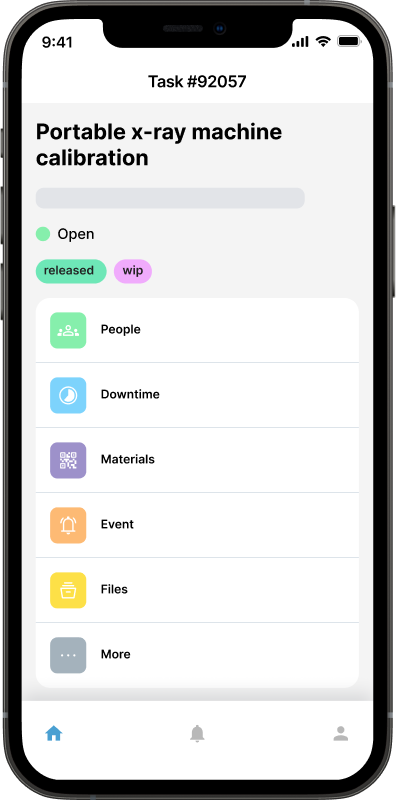
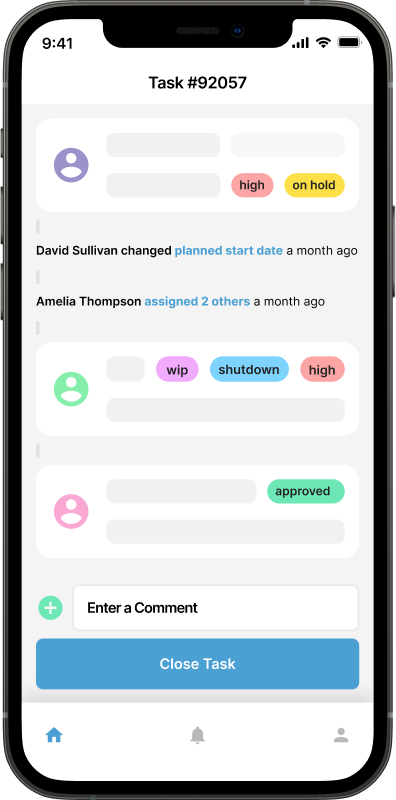
A church CMMS automates the scheduling, sends reminders, and keeps complete records. Volunteers can update task status from their phones. Leadership gets visibility into what's done and what's overdue. And when someone new takes over, all the history is there.
Maintainly is built for organizations like churches: simple enough for volunteers to use without training, affordable for non-profit budgets, and powerful enough to manage facilities of any size. Start your free trial and turn this checklist into automated, trackable maintenance tasks.
Further Reading
How Churches and Non-Profits Can Benefit from CMMS Software
Originally designed for industrial and commercial enterprises, CMMS software offers numerous benefits to churches and non-profits, helping them achieve efficiency, consistency, and cost savings in their maintenance operations.
Read more →
Managing Volunteer Maintenance Teams at Churches: A Complete Guide
How to build, organize, and retain an effective volunteer maintenance team at your church. Covers recruitment, training, task assignment, communication, and tools to keep volunteers engaged and facilities well-maintained.
Read more →
The Power of Checklists: Ensuring Consistency, Accuracy, and Compliance in Maintenance Engineering
How can teams consistently deliver high-quality results, especially when dealing with complex systems and processes? The answer lies in a simple yet powerful tool: checklists.
Read more →
Preventive vs Reactive Maintenance: A Complete Guide
Preventive, corrective, reactive, condition-based and predictive maintenance explained, which assets deserve a schedule, and how a CMMS makes the shift from firefighting to planned work.
Read more →