Tools to Manage Hotel HVAC, Plumbing, and Electrical Systems
 By Eve

Running a hotel is a 24/7 operation. Guests expect comfortable rooms, reliable hot water, working lights, and quiet, efficient climate control at all times. Behind the scenes, that comfort depends on three critical systems: HVAC, plumbing, and electrical infrastructure.
When any of these systems fail, the impact is immediate. Rooms may be taken out of service, guest complaints increase, staff are pulled away from scheduled work, and operating costs rise. For maintenance teams, managing these systems is also about preventing disruptions before guests ever notice them.
At Maintainly CMMS, we work closely with hotel maintenance teams that manage these systems every day. Modern hotels rely on a combination of tools to keep HVAC, plumbing, and electrical systems running smoothly. When these tools are well integrated, teams stay organized, respond faster, and reduce downtime across the property.
Why Do These Systems Need Specialized Management?
Hotel infrastructure is complex by nature. HVAC systems often include boilers, chillers, rooftop units, fan coil units, thermostats, and ventilation equipment spread across dozens or hundreds of rooms. Plumbing systems handle hot and cold water, drainage, pumps, heaters, and backflow prevention. Electrical systems power lighting, elevators, kitchens, IT networks, safety systems, and more.
These systems share a few important characteristics:
They run continuously
Failures affect guest comfort and safety
Repairs are often time-sensitive
Because of this, hotels need tools that support both planned maintenance and fast response, without relying on memory, paper logs, or fragmented systems.
Tools & Systems You Need To Properly Manage Your Hotel
1. CMMS as the Foundation for Hotel Maintenance
A computerized maintenance management system (CMMS) serves as the central hub for hotel maintenance operations. It brings work orders, assets, schedules, and maintenance history into a single system that the entire team can rely on.
For hotels, a CMMS helps track HVAC, plumbing, and electrical assets across the property, schedule routine maintenance, and document completed work. Instead of reacting to breakdowns, teams can plan inspections, filter changes, pump servicing, and electrical checks in advance. Over time, this shift from reactive to planned maintenance leads to fewer emergencies and more predictable workloads, especially in larger or multi-building properties.
2. Preventive Maintenance Scheduling Tools
Preventive maintenance is essential for keeping hotel systems reliable. HVAC filters clog, pumps wear down, valves degrade, and electrical components lose efficiency. When these issues go unnoticed, they often turn into urgent failures.
Preventive maintenance scheduling tools allow teams to plan recurring tasks based on time or equipment usage. Work orders are automatically generated and assigned, ensuring inspections and servicing happen even during busy seasons. For hotels, this means fewer surprise breakdowns, longer asset life, and better control over maintenance costs.
3. Asset Visibility Tools
Hotels often manage hundreds or thousands of assets across HVAC, plumbing, and electrical systems. Without proper tracking, it’s difficult to know:
What equipment exists?
Where is it located?
How old is it?
What maintenance has it received?
Asset management tools allow teams to create a detailed record for each piece of equipment, including asset type and location, manufacturer and model, installation date, maintenance history, and associated work orders.
For HVAC equipment, this helps identify underperforming units or recurring failures. For plumbing and electrical assets, it improves troubleshooting and replacement planning.
 4. Mobile Maintenance Tools for Field Work
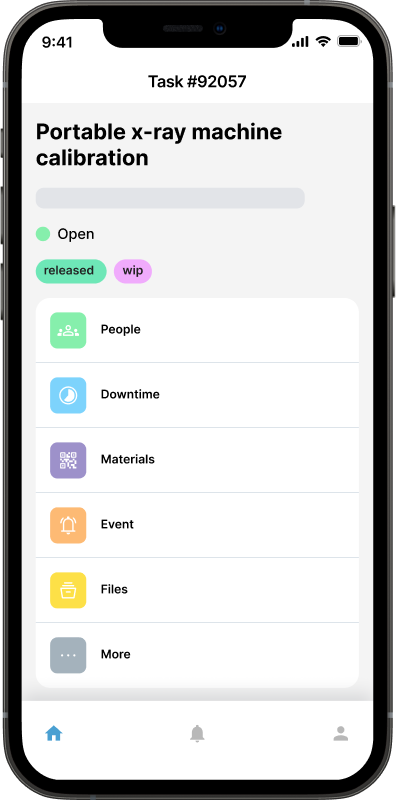
Hotel maintenance teams rarely sit at desks. They move between guest rooms, mechanical rooms, rooftops, and public spaces throughout the day. Maintainly mobile CMMS is designed to mirror the web experience so teams can work comfortably from any device.
Mobile maintenance tools or mobile CMMS allow technicians to:
View and update work orders on-site
Log time and materials in real time
Attach photos or PDFs of issues or completed work
Record meter readings or inspection results
For HVAC work, technicians can document temperature readings or equipment conditions. Plumbing staff can capture photos of leaks or repairs. Electrical teams can log test results and safety checks.
Mobile access reduces paperwork, improves accuracy, and speeds up communication between technicians and managers.
5. Work Order Management Systems
Work orders are the backbone of hotel maintenance operations. Every HVAC issue, plumbing leak, or electrical fault needs to be tracked, prioritized, and resolved.
Work order management tools help hotels create work orders from staff or guest requests, assign jobs based on urgency and skill, track status from open to closed, and monitor response and completion times.
Clear work order workflows ensure urgent issues, like AC failures or electrical outages, are handled quickly, while lower-priority tasks are scheduled appropriately.
Work order history also helps identify patterns, such as repeated failures in specific rooms or systems.
6. Inventory and Spare Parts Management Tools
HVAC, plumbing, and electrical maintenance all depend on having the right parts available at the right time. Missing parts can delay repairs and extend downtime. Inventory management tools help hotels track spare parts and consumables, monitor stock levels, record parts usage by work order, and reduce overstocking and emergency purchases.
For HVAC systems, this may include filters, belts, motors, and sensors. Plumbing inventories often include valves, fittings, seals, and pumps. Electrical inventories may include breakers, lighting components, and wiring supplies.
Accurate inventory data reduces costs and ensures maintenance teams are prepared.
7. Condition Monitoring and Meter Readings Tools
Some hotel equipment benefits from condition-based maintenance rather than fixed schedules. Tools that support meter readings and condition tracking allow teams to log runtime hours for HVAC units, track pump cycles or water usage, monitor energy consumption, and trigger maintenance based on actual usage.
This approach is especially useful for large HVAC systems, generators, and critical pumps, helping hotels avoid unnecessary maintenance while preventing unexpected failures.
8. Reporting and Maintenance Analytics Tools
Data-driven decisions are becoming more important in hotel maintenance. Reporting tools allow teams to analyze maintenance costs by system or asset, downtime trends, preventive maintenance compliance, and work order backlogs.
For hotel managers, this visibility supports budgeting, staffing decisions, and long-term planning. For maintenance teams, it highlights areas where processes can improve.
Clear reports also support compliance and safety audits, especially for electrical and fire-related systems.
9. Communication and Collaboration Tools
Hotel maintenance work often involves coordination between teams, departments, and sometimes external contractors.
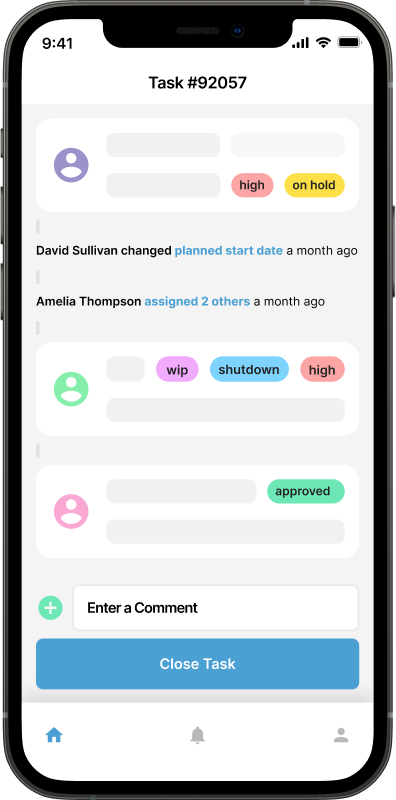
Collaboration tools within CMMS help share notes and updates on work orders, coordinate across shifts, communicate with housekeeping or front desk teams, and assign work to contractors when needed.
Clear communication reduces misunderstandings and ensures everyone knows the status of critical systems.
10. Multi-Site Management Tools
Hotel groups and chains face additional complexity. Managing HVAC, plumbing, and electrical systems across multiple properties requires tools that provide consistency and visibility.
Multi-site CMMS tools allow teams to standardize maintenance procedures, compare performance across properties, share asset data and best practices, and centralize reporting.
This approach helps hotel operators maintain consistent standards while allowing local teams to manage day-to-day work.
CMMS is the solution in 2026
Managing hotel HVAC, plumbing, and electrical systems may need multiple tools and streamlined coordination. But you don’t have to invest in many tools, as you just need one. The most popular hotels use integrated systems and CMMS that connect assets, work orders, schedules, inventory, and mobile access in one place.
When these tools work together, maintenance teams gain better visibility into system health, faster response times, reduced downtime, lower operating costs, and improved guest satisfaction.
We see hotels succeed when maintenance teams are empowered with simple, flexible tools that fit naturally into their daily work. Try a 14-day free trial of Maintainly CMMS and ditch the hassle of multiple tools.
Further Reading

Hotel Maintenance Software: Key Features and Why Your Hotel Needs It
If you manage a hotel, you know that running it is no easy job. Hotel managers have plenty of tasks on their plates, ranging from guest satisfaction to housekeeping. However, there’s one area that often gets overlooked: maintenance.
Read more →
Maximizing Efficiency in Hospitality: Tips for Implementing CMMS in a Hotel
In the hospitality industry, guest satisfaction is paramount, and a clean, functional, and well-maintained environment plays a significant role in achieving it. From air conditioning systems and elevators to lighting and housekeeping equipment, hotels rely on hundreds of assets that require regular maintenance.
Read more →
Why CMMS Is the Ideal Tool for Small Maintenance Teams Managing Resorts
A CMMS helps small resort maintenance teams stay organized, proactive, and efficient by centralizing work orders, preventive tasks, and asset tracking. With everything managed in one system, teams can reduce downtime, improve guest satisfaction, and keep facilities running flawlessly.
Read more →
Preventive Maintenance for Hotels: A Checklist
Maintaining a hotel involves preventive maintenance for various assets to ensure a comfortable, safe, and enjoyable experience for guests. Here's a high-level list of key assets at a hotel that typically require planned maintenance.
Read more →