What Is a CMMS Program? A Buyer Guide to Understanding and Choosing One
 By Gui

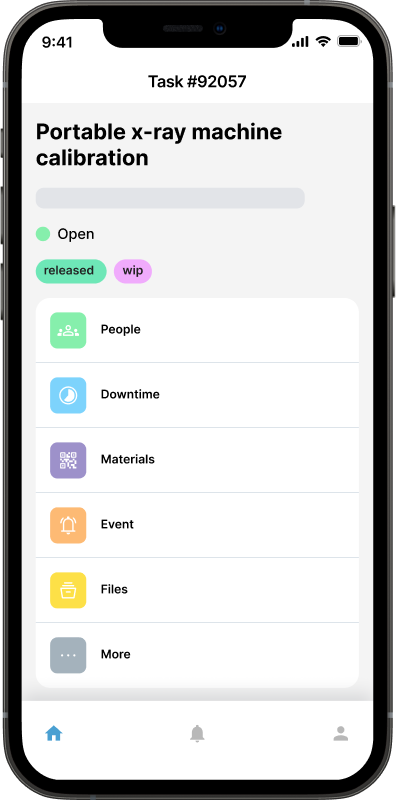
If you have searched for "cmms program" or found yourself confused by the terminology, you are not alone. CMMS stands for Computerized Maintenance Management System. A CMMS program is software that helps organizations plan, track, and manage maintenance work — from routine inspections to emergency repairs. Think of it as a control center for everything your maintenance team does.
What a CMMS Program Actually Does
At its core, a CMMS program replaces the spreadsheets, paper checklists, and email threads that maintenance teams often rely on. Instead of manually tracking which assets need service, who is responsible, and whether work was completed, a CMMS program brings all of that into one organized system.
Most CMMS programs handle these core functions:
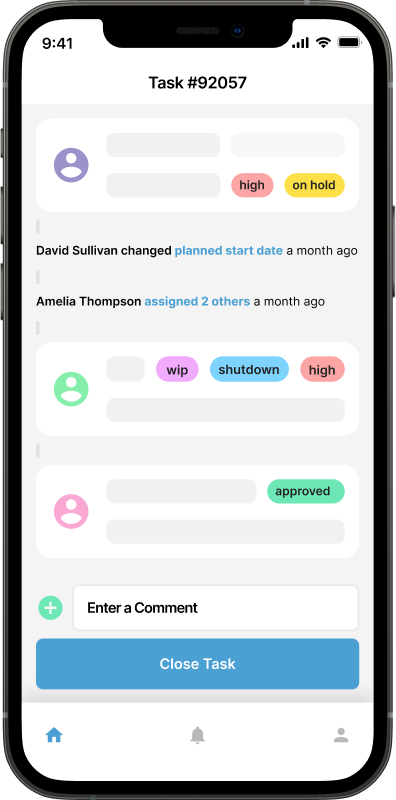
Work orders: Create, assign, and close maintenance tasks with full tracking from start to finish.
Preventive maintenance scheduling: Set up recurring tasks based on time intervals or meter readings, such as hours of use.
Asset management: Maintain a record of every piece of equipment, including service history, manuals, and warranty information.
Parts and inventory: Track spare parts, set reorder alerts, and reduce the risk of stockouts.
Reporting: Generate reports on maintenance costs, asset downtime, team productivity, and more.
Who Uses CMMS Programs?
CMMS programs are not only for large factories or industrial operations. They are used across a wide range of industries and business sizes, from single-facility operations to multi-site organizations.
Facilities managers at office buildings, schools, and hospitals
Maintenance teams at hotels and resorts
Fleet managers overseeing vehicles and equipment
Maintenance supervisors in food production, retail, and warehousing
The common thread is any organization that manages physical assets and needs maintenance to be reliable, documented, and efficient.
How CMMS Programs Differ from Other Software
Organizations sometimes confuse CMMS programs with ERP systems, property management software, or general task management tools. Here is a quick distinction:
ERP systems manage finances, HR, and operations broadly. Maintenance is usually a limited add-on, not a core feature.
Property management software focuses on tenant relationships and leases. Maintenance tracking tends to be basic and reactive.
Task management tools are not built for recurring maintenance schedules, asset histories, or parts tracking.
A dedicated CMMS program is purpose-built for maintenance. That specialization matters because the workflows, reports, and data structures are all designed around how maintenance teams actually operate. The benefits of this focused approach become clear once a team moves away from general-purpose tools.
How to Evaluate CMMS Programs

With many CMMS programs available, narrowing down the options can feel overwhelming. This framework covers the most important factors:
Match the program to your team size
Some CMMS programs are built for enterprise operations with hundreds of technicians. Others are designed for small teams where one person handles multiple roles. A program built for a large corporation will likely be too complex and too expensive for a 10-person maintenance team. Start by identifying programs built for your scale.
Prioritize ease of use
A CMMS program only delivers value if your team actually uses it. Look for software that technicians can adopt without weeks of training. Mobile access matters as well — technicians rarely work at a desk, so the mobile experience should be as functional as the desktop version.
Clarify what is included vs. what costs extra
Some CMMS programs advertise a low base price but charge separately for mobile access, advanced reporting, or additional user accounts. Understand the total cost before committing to any vendor. Ask for a full breakdown of what each pricing tier includes.
Verify the implementation support
Getting started with a CMMS program requires migrating existing data, setting up asset records, and training your team. Ask vendors what onboarding support is included. Some provide dedicated assistance; others leave new customers to figure things out independently.
Consider integration options
Does the CMMS program connect with tools you already use? Common integrations include accounting software, purchasing systems, and sensor or IoT platforms. Understanding how a CMMS connects with your physical assets and tracking systems will help you assess long-term fit, especially if your operation is growing.
Signs Your Organization Needs a CMMS Program
Not every organization needs a CMMS program on day one, and that is fine. But these signals suggest it is time to move beyond spreadsheets and informal systems:
Maintenance requests get lost or forgotten regularly
No reliable record exists of when equipment was last serviced
Reactive, break-fix maintenance is consuming most of your team bandwidth
Parts shortages are causing unplanned delays
Compliance or audit requirements demand documented maintenance records
More time is spent coordinating tasks than actually completing them
If more than two of these apply to your operation, a CMMS program will likely deliver a strong return through reduced downtime, better parts availability, and more productive technician time.
What to Expect When You Implement a CMMS Program
Implementing a CMMS program is a process, not an overnight switch. Here is a realistic picture of what most implementations involve:
Phase 1: Asset inventory
Before you can manage maintenance, you need a clear record of what you are maintaining. This means documenting assets, their locations, and any existing maintenance schedules. Even a rough starting inventory is better than none.
Phase 2: Configuration
Set up your work order workflows, preventive maintenance schedules, and user permissions. Modern CMMS programs are generally designed to be configurable without technical expertise — most teams can complete this themselves.
Phase 3: Team training
Even intuitive software requires some onboarding. Focus training on the day-to-day workflows your team will use most: creating work orders, logging completed tasks, and recording parts usage.
Phase 4: Go live and refine
The first few weeks are about learning what works for your specific operation. Most teams adjust their workflows after going live — that is normal and expected, not a sign that something went wrong.
Most small-to-medium organizations can be fully operational within a few weeks. Operations with more complex assets or larger teams may take somewhat longer.
Choosing the Right CMMS Program
There is no single best CMMS program — the right choice depends on your industry, team size, budget, and the problems you most need to solve. A hotel maintenance team has different priorities than a manufacturing operation or a vehicle fleet manager.
Three principles apply broadly:
Simple is usually better. A CMMS program your team uses consistently outperforms a feature-rich one that rarely gets opened.
Trial periods matter. Most reputable CMMS programs offer a free trial. Test real workflows with your actual team, not just a vendor demo.
Think ahead. Choose a program that can scale with your operation without requiring a full platform switch in two or three years.
A CMMS program is one of the highest-leverage investments a maintenance team can make. It converts reactive chaos into planned, documented, and measurable maintenance — and gives your team the visibility and control that spreadsheets simply cannot match.
Further Reading

Benefits of CMMS
CMMS will aid and inform technicians out in the field, as well as decision makers, on maintenance work that has been done, will be done soon, or is planned to be done in the future. Broadly speaking, the benefits of CMMS can be broken down into three categories: management; visibility; and cost control.
Read more →
What Industries Benefit From CMMS?
Businesses of all sizes rely on CMMS for accurate asset management. If you have a large inventory, production equipment or a fleet of vehicles then you can benefit from CMMS.
Read more →
Optimize your Manufacturing with CMMS
Maintenance teams working to keep manufacturing plants operational have a hard enough job as it is. Tools like CMMS help streamline the maintenance process, keep the whole team on one page and give total visibility across the whole organisation.
Read more →
CMMS Software & Traceable Physical Assets: Why They Should be Tracked
CMMS software is used for physical assets including equipment, vehicles and machinery in any number of different industries. The process of tracing the asset history involves capturing and recording relevant information at different stages, such as acquisition, maintenance, utilization, and disposal.
Read more →