Fleet Maintenance Checklist: The Complete Guide for Vehicle Fleets
 By Gui

A single breakdown can cost your fleet thousands, not just in repairs, but in missed deliveries, unhappy customers, and idle drivers. Yet many fleet managers still rely on reactive maintenance, waiting for something to fail before taking action.
This checklist helps you build a preventive maintenance program that catches problems early, extends vehicle life, and keeps your fleet on the road. Whether you manage delivery vans, service trucks, or heavy equipment, these inspections will help you reduce unplanned downtime.
Why Fleet Maintenance Checklists Matter
The math is simple: preventive maintenance costs less than emergency repairs. A routine oil change costs a fraction of what you'll pay to replace an engine that seized because the oil wasn't changed. A tire rotation is cheaper than a blowout that damages the wheel well and puts a driver out of service.
But knowing this and doing something about it are different things. Checklists bridge that gap by making maintenance systematic rather than sporadic. They ensure:
Nothing gets overlooked, even when you're busy
New drivers and mechanics follow the same standards
You have documentation for compliance and warranty claims
Small issues get caught before they become big problems
Daily Inspection Checklist (Driver Walk-Around)
Every driver should complete a quick inspection before starting their route. This takes 5-10 minutes and catches the most common issues before they strand someone on the road.
Exterior Check
Walk around the vehicle looking for new damage, fluid leaks, or debris
Check all tires for proper inflation (visual check: look for obvious flats or bulges)
Inspect tires for excessive wear, embedded objects, or sidewall damage
Test all lights: headlights (low and high beam), brake lights, turn signals, hazards
Check mirrors for damage and proper positioning
Verify windshield wipers are functional and washer fluid is adequate
Under the Hood
Check engine oil level
Check coolant level (never open a hot radiator cap)
Inspect belts for wear, cracks, or looseness
Look for any obvious leaks or damage
Cab and Controls
Test brakes before leaving the lot
Check that seat belts work properly
Verify horn is functional
Note any warning lights on the dashboard
Check fuel level
Test HVAC (heating and cooling) for driver comfort and defogging
Weekly Fleet Maintenance Tasks
These tasks go beyond the daily walk-around and should be performed by maintenance staff or a designated driver. Schedule them on a slow day when vehicles can be pulled from service for an hour.
Tire Maintenance
Check tire pressure with a gauge (not just visual inspection)
Measure tread depth and replace tires before they reach the wear bar
Inspect for uneven wear patterns that indicate alignment issues
Check spare tire condition and pressure
Fluid Levels
Transmission fluid (check level and color)
Brake fluid
Power steering fluid
Differential fluid (for trucks and heavy vehicles)
Safety Equipment
Fire extinguisher present and charged
First aid kit stocked
Reflective triangles or flares present
Jack and lug wrench present and functional
Interior and Cargo Area
Clean interior and remove trash
Check cargo tie-downs and securing equipment
Inspect cargo doors, latches, and seals
Test lift gates or loading equipment if equipped
 Monthly Maintenance Inspections
Monthly inspections are more thorough and may require lifting the vehicle or specialized tools. Many fleets schedule these during routine service visits.
Brake System
Inspect brake pad thickness
Check rotors for scoring or warping
Inspect brake lines and hoses for leaks or damage
Test parking brake operation
For air brakes: check air compressor, drain moisture from tanks, inspect air lines
Suspension and Steering
Inspect shocks and struts for leaks
Check leaf springs (on trucks) for cracks or separation
Inspect tie rod ends and ball joints for wear
Check steering linkage for play
Test wheel bearings for noise or play
Electrical System
Test battery charge and inspect terminals for corrosion
Check alternator output
Inspect wiring for chafing or damage
Test backup cameras and sensors
Exhaust System
Inspect exhaust pipes and muffler for rust or holes
Check exhaust hangers and mounts
For diesel vehicles: inspect DPF (diesel particulate filter) status
Quarterly Maintenance Tasks
These tasks are based on time rather than mileage, ensuring nothing slips through the cracks on low-mileage vehicles.
Rotate tires (or sooner based on mileage)
Replace cabin air filter
Inspect serpentine belt and tensioner
Check wheel alignment (especially for vehicles that hit potholes or curbs)
Lubricate door hinges, latches, and locks
Inspect and clean fuel injectors
For refrigerated units: inspect compressor, check refrigerant levels
Annual Maintenance Inspections
Annual inspections are comprehensive reviews of the entire vehicle. Many fleets align these with annual safety inspections required by regulations.
Full brake system inspection and service
Transmission service (fluid change, filter replacement)
Coolant system flush and refill
Replace fuel filter
Inspect frame and body for rust or structural damage
Replace wiper blades
Full HVAC system inspection
Update vehicle documentation and registration
Review maintenance history and plan upcoming replacements
Mileage-Based Maintenance Schedule
In addition to time-based maintenance, track odometer readings for these critical service intervals. Actual intervals vary by vehicle make and model. Always consult your manufacturer's recommendations.
Every 5,000-7,500 Miles
Oil and filter change
Multi-point inspection
Every 15,000-30,000 Miles
Replace engine air filter
Tire rotation
Brake inspection
Every 30,000-60,000 Miles
Transmission fluid service
Coolant flush
Spark plug replacement (gasoline engines)
Replace brake pads (depends on driving conditions)
Every 60,000-100,000 Miles
Timing belt replacement (if equipped)
Water pump inspection/replacement
Replace shocks and struts
Replace brake rotors
Vehicle-Specific Considerations
Different vehicle types have unique maintenance requirements. Here are additional items to add to your checklists based on your fleet composition.
Heavy Trucks (Class 7-8)
Fifth wheel inspection and lubrication
Air brake system checks (air dryer, glad hands, air lines)
DEF (Diesel Exhaust Fluid) level
Fuel-water separator drainage
Coupling device inspection
Refrigerated Vehicles
Reefer unit operation and temperature accuracy
Door seals and gaskets
Insulation condition
Standby power unit
Service Vehicles (Work Trucks, Vans)
Ladder rack and equipment mounts
Toolbox locks and hinges
Auxiliary power systems (inverters, generators)
Shelving and storage compartments
Electric and Hybrid Vehicles
Battery health and state of charge capacity
Charging port and cable condition
Regenerative braking system
High-voltage system inspection (by qualified technician)
Implementing Your Fleet Maintenance Checklist
Having a checklist is only useful if your team actually uses it. Here's how to make these inspections part of your daily operations.
Make It Easy to Complete
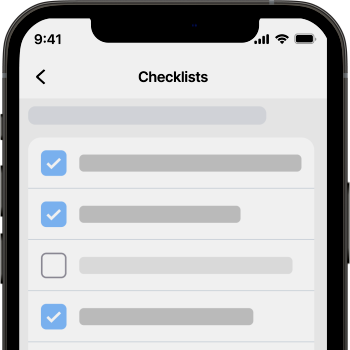
Paper checklists get lost. Digital checklists in a CMMS let drivers complete inspections on their phone, automatically timestamp entries, and flag issues for immediate attention. The easier you make compliance, the more consistent your results.
Track Everything
Every inspection, service, and repair should be recorded. This history helps you spot patterns (is one vehicle always having brake problems?), justify warranty claims, and prove compliance to regulators or insurers.
Set Up Automated Reminders
Don't rely on memory for maintenance scheduling. Use software that automatically triggers work orders based on mileage, engine hours, or calendar intervals. When a vehicle hits 5,000 miles since the last oil change, the system should alert your maintenance team.
Review and Adjust
Your checklist should evolve based on your experience. If you keep finding the same issue, add an earlier inspection for it. If something never fails, you might be over-inspecting. Use your maintenance data to optimize your schedules.
Next Steps
A checklist on paper (or in a PDF) is a starting point. But to truly reduce breakdowns and control maintenance costs, you need a system that tracks every vehicle, schedules every service, and gives you visibility into your fleet's health.
Fleet maintenance software like Maintainly lets you digitize these checklists, automate scheduling based on mileage or time, and keep complete maintenance records for every vehicle. Drivers can complete pre-trip inspections on their phones, and issues get routed to maintenance automatically.
Start with the daily driver walk-around. Get that habit established, then layer in weekly and monthly inspections. Within a few months, you'll have transformed your fleet from reactive to preventive, and your maintenance costs will show it. For more fleet management strategies, see our Small Fleet Maintenance Guide.
Further Reading

How can preventive maintenance software help large vehicle fleets?
The modern economy consists of millions of companies of all sizes. For many of these firms, operating a large vehicle fleet is a key part of how they get day-to-day tasks done. This often requires fleets of cars, vans, trucks, service equipment and heavy machinery.
Read more →
Benefits of CMMS
CMMS will aid and inform technicians out in the field, as well as decision makers, on maintenance work that has been done, will be done soon, or is planned to be done in the future. Broadly speaking, the benefits of CMMS can be broken down into three categories: management; visibility; and cost control.
Read more →
Fleet Maintenance KPIs: 12 Metrics That Actually Matter
Learn the essential fleet maintenance KPIs that help you reduce costs, improve uptime, and make data-driven decisions. Includes formulas, benchmarks, and practical tips for tracking each metric.
Read more →