How Agricultural Maintenance Software Helps Farmers Cut Costs, Increase Uptime, and Streamline Workflows
 By Steven Quayle

Before sunrise, a farmer walks the field to check the irrigation lines. The soil is ready, the weather looks right, and the plan for the day is clear. Then a pump refuses to start. What if his morning turns into a scramble? Imagine multiple calls to mechanics, a search for spare parts, and hours of lost time while crops wait.
Stories like this are common in modern agriculture. Farming today is built around machines and infrastructure that must work when it matters most. Tractors, harvesters, pumps, grain dryers, cold storage, generators, and buildings quietly support every stage of the operation. When they run well, the day moves forward. When they fail, the ripple effects are felt immediately through lost time, wasted resources, and rising costs.
To avoid these moments, many farms are moving away from notebooks, memory-based schedules, and scattered spreadsheets. Instead, they are adopting digital maintenance systems that bring order to daily operations, help prevent breakdowns, and give farmers better control over costs and equipment uptime.
The Maintenance Challenge in Agriculture
Agriculture presents unique maintenance challenges compared to other industries. Equipment is often spread across large areas, exposed to dust, moisture, heat, and heavy use. Seasonal workloads mean long operating hours during peak times, leaving little room for breakdowns.
Many farms still manage maintenance reactively. A machine breaks, someone fixes it, and everyone moves on. While this approach may work in the short term, it often leads to repeated failures, higher repair costs, and lost productivity.
Agricultural maintenance software helps shift farms from reactive maintenance to a more planned and predictable approach.
10 Top Reasons Why Farmers Choose a CMMS
1. Cutting costs through preventive maintenance
Preventive maintenance focuses on servicing equipment before it fails. Tasks like oil changes, filter replacements, belt inspections, lubrication, and calibration are scheduled based on time, usage, or meter readings.
A CMMS keeps track of these schedules automatically. Instead of relying on someone to remember when a tractor last had a service or how many hours a pump has run, the system creates reminders and work orders at the right time.
This reduces costly breakdowns, extends equipment life, and lowers emergency repair expenses. Small, planned maintenance tasks are almost always cheaper than major repairs during critical farming periods.
2. Reducing downtime when it matters most
In agriculture, timing is everything. A few hours of downtime during planting or harvest can mean lost yields and missed opportunities.
Agricultural maintenance software helps reduce downtime by improving visibility and response time. When maintenance tasks are scheduled and tracked, equipment is less likely to fail unexpectedly. When issues do occur, teams can respond faster because information is centralized.
Technicians can see asset history, previous repairs, manuals, and parts used, all in one place. This reduces diagnosis time and helps get equipment back into operation sooner.
By keeping assets available when they are needed most, farms protect both productivity and revenue.
3. Managing assets across large and remote locations
Farms often operate across multiple fields, sheds, and remote sites. Keeping track of assets in these environments can be difficult without a system in place.
Agricultural maintenance software provides a clear asset register. Each piece of equipment, building, or system can be logged with details such as location, specifications, service history, and usage data.
Some systems allow assets to be tagged with QR codes, making it easy to identify equipment in the field and access information instantly using a mobile device.
This visibility reduces confusion, prevents assets from being overlooked, and supports better long-term planning.
 4. Streamlining workflows with structured work orders
Maintenance workflows on farms are often informal. Tasks are communicated verbally or through messages, and progress is tracked mentally or on paper.
A CMMS brings structure to these workflows through work orders. Maintenance tasks can be created, assigned, prioritized, and tracked from start to finish. Everyone involved knows what needs to be done, who is responsible, and when it should be completed.
Work orders also capture valuable information such as labor time, parts used, photos, and notes. Over time, this data builds a clear picture of maintenance effort and cost.
Structured workflows reduce missed tasks, duplicate work, and misunderstandings between teams.
5. Supporting mobile and on-the-go teams
Farm maintenance does not happen in an office. Technicians, operators, and managers are constantly moving between fields, barns, and equipment yards.
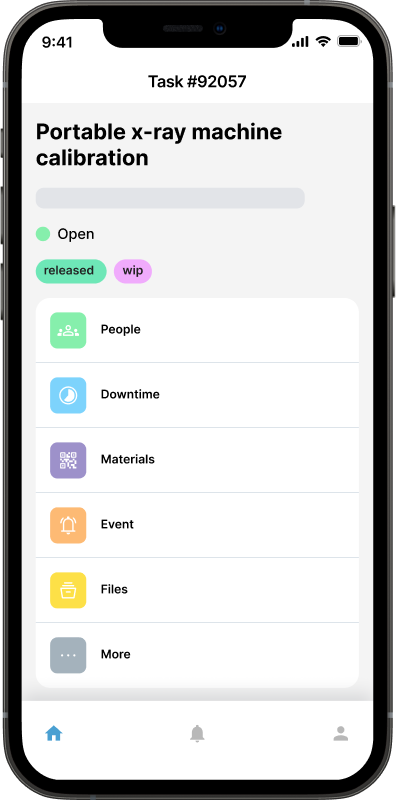
Mobile access is essential. Agricultural maintenance software that works on smartphones allows teams to view schedules, update work orders, record meter readings, and upload photos directly from the field.
This reduces paperwork, improves data accuracy, and ensures information is recorded while it is still fresh. It also eliminates the need to “catch up” on maintenance records at the end of the day.
Maintainly’s mobile-first CMMS approach fits naturally into these environments, where flexibility and ease of use matter more than complex features.
6. Improving spare parts and inventory control
Missing parts are a common cause of maintenance delays on farms. At the same time, overstocking spare parts ties up cash and leads to waste.
Agricultural maintenance software helps track spare parts usage and inventory levels. When parts are linked to work orders, farms can see which components are used most often and which assets consume the most spares.
This insight supports smarter purchasing decisions and ensures critical parts are available when needed. It also helps avoid unnecessary stock and reduces overall inventory costs.
7. Better planning through maintenance data
Maintenance generates valuable data, but without a system, much of it is lost or underused.
A CMMS turns daily maintenance activities into structured data. Over time, farms can analyze trends such as frequent breakdowns, high repair costs, or recurring issues with specific equipment.
This information supports better decisions. Equipment that costs more to maintain than replace can be identified. Maintenance schedules can be adjusted based on real-world usage. Investment decisions become data-driven rather than based on guesswork.
For agricultural operations operating on tight margins, this level of insight is critical.
8. Supporting compliance and safety
Agriculture involves safety risks and regulatory requirements. Equipment inspections, safety checks, and maintenance documentation are often required for compliance and insurance purposes.
Agricultural maintenance software provides a clear audit trail. Inspections, servicing, and repairs are documented automatically, with timestamps and responsible personnel recorded.
When inspections or audits occur, records are easy to access and verify. This reduces stress, improves safety outcomes, and supports compliance with industry standards.
9. Adapting to seasonal workloads
Farming is seasonal by nature. Maintenance workloads vary throughout the year, with peak pressure during planting and harvest.
A CMMS helps farms plan maintenance around these cycles. Major servicing can be scheduled during off-seasons, while critical equipment receives extra attention before peak periods begin.
This proactive planning reduces risk during high-demand times and helps teams manage workloads more evenly throughout the year.
10. Simplifying collaboration and communication
Maintenance in agriculture often involves multiple people, including operators, mechanics, managers, and external service providers.
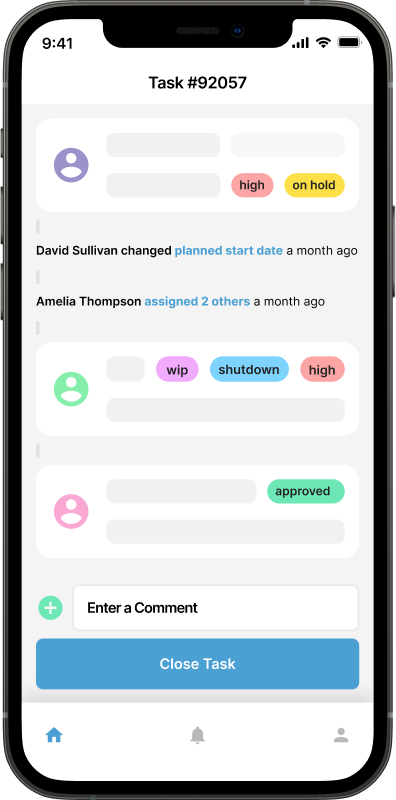
Agricultural maintenance software centralizes communication by keeping all maintenance information in one place. Comments, photos, and updates are attached directly to work orders and assets.
This shared visibility reduces miscommunication, improves coordination, and ensures everyone is working from the same information.
Why Simplicity Matters in Farm Maintenance Software?
Farms do not need overly complex systems that require extensive training. Maintenance tools should be intuitive, flexible, and easy to adopt.
A modern CMMS like Maintainly is designed around simplicity and real-world use. Quick setup, mobile access, and clear workflows make it easier for agricultural teams to adopt the system and stick with it long term.
When software fits naturally into daily routines, it delivers real value instead of becoming another unused tool.
Try Maintainly Free for 14 Days
Agricultural operations depend on reliable equipment and infrastructure. When maintenance is disorganized or reactive, costs rise, downtime increases, and productivity suffers.
Agricultural maintenance software helps farms take control of maintenance by cutting unnecessary costs, increasing equipment uptime, and streamlining workflows. Through preventive maintenance, structured work orders, mobile access, and data-driven planning, farms can operate more efficiently and confidently.
By moving away from spreadsheets and scattered records toward a modern CMMS approach like Maintainly, farmers gain visibility, control, and peace of mind. Try Maintainly CMMS for free. Get a trial now!
Further Reading

Farm Equipment Maintenance Software: Reduce Downtime When It Matters Most
Learn how farm equipment maintenance software helps farmers track and schedule maintenance for tractors, combines, and irrigation systems to avoid costly breakdowns during planting and harvest seasons.
Read more →
Equipment Maintenance Software: A Practical Buyer's Guide
Equipment maintenance software helps teams track, schedule, and manage maintenance for physical assets, from factory machines to vehicle fleets. This guide covers the key features to look for and how to choose the right solution for your team.
Read more →
Preventive vs Reactive Maintenance: A Complete Guide
Preventive, corrective, reactive, condition-based and predictive maintenance explained, which assets deserve a schedule, and how a CMMS makes the shift from firefighting to planned work.
Read more →
What Does CMMS Stand For? Acronym and Meaning
What the CMMS acronym stands for, what the software records once a team has one, and where the category stops.
Read more →