Small Fleet Maintenance: A Practical Guide for 5-25 Vehicles
 By Eve

Most fleet maintenance advice is written for companies with hundreds of vehicles, dedicated mechanics, and six-figure software budgets. That's not helpful when you're running 12 delivery vans and wearing multiple hats.
Small fleets have different challenges: limited time, limited budgets, and no dedicated maintenance staff. But they also have advantages: you know each vehicle personally, decisions happen fast, and improvements show results quickly.
This guide covers practical maintenance strategies that work for fleets of 5-25 vehicles, with no enterprise complexity required.
The Small Fleet Maintenance Challenge
When you're managing a small fleet, you're probably also managing drivers, handling customer issues, and running operations. Maintenance competes for attention with everything else, and often loses until something breaks.
The result? Reactive maintenance becomes the default. You fix things when they fail, pay emergency repair rates, and deal with the disruption of unexpected downtime.
Breaking this cycle doesn't require a maintenance department or expensive software. It requires a system (even a simple one) that ensures maintenance happens before failures do.
Start With What Matters Most
You don't need to implement a complete preventive maintenance program overnight. Start with the maintenance items that cause the most problems when missed.
The Non-Negotiables
These items should never be skipped or delayed:
Oil changes: The single most important maintenance item. Running low on oil or using degraded oil destroys engines.
Tire maintenance: Check pressure weekly, rotate regularly, replace before tread is gone. Tire failures cause accidents and roadside breakdowns.
Brake inspections: Don't wait for squealing or grinding. Regular inspection catches problems before they become safety issues.
Fluid levels: Coolant, transmission fluid, brake fluid. Low levels cause expensive damage.
If you do nothing else, get these four items on a schedule. Everything else is secondary.
Building a Simple Maintenance Schedule
For a small fleet, your maintenance schedule doesn't need to be complicated. Here's a framework that works:
Daily: Driver Walk-Around
Train drivers to do a 5-minute inspection before each shift: check tires, lights, fluid levels, and look for obvious damage or leaks. Most problems start small: a driver who catches a soft tire or a puddle of coolant can prevent a breakdown.
Make this easy: create a simple checklist (paper or digital) and make it part of the start-of-day routine. No checklist, no keys.
Based on Mileage: Oil and Filter Changes
Track odometer readings and schedule oil changes based on your vehicle manufacturer's recommendations. For most fleet vehicles, this is every 5,000-7,500 miles, but check your owner's manual.
The key is tracking. Whether you use a spreadsheet, a whiteboard, or maintenance software, know where each vehicle stands.
Monthly: Deeper Inspection
Once a month, do a more thorough check: brake pads, belts, hoses, battery condition, and anything the daily walk-around doesn't cover. This can be done by a trusted mechanic during routine service or by someone on your team with mechanical knowledge.
Annually: Full Service
Once a year, each vehicle should get a comprehensive inspection and service: transmission fluid, coolant flush, brake system service, and a thorough check of the suspension, steering, and exhaust systems. Many fleets align this with annual safety inspections where required.
Managing Maintenance Without Full-Time Mechanics
Most small fleets don't have their own maintenance staff. Here's how to handle vehicle maintenance when you're outsourcing the work.
Find the Right Service Partners
Build relationships with 2-3 service providers:
A quick-service shop for oil changes and basic maintenance, since convenience and speed matter here
A trusted mechanic for repairs and complex work, someone who knows your vehicles and won't upsell unnecessary services
A tire specialist if you go through tires regularly, since they often have better selection and pricing than general shops
Negotiate fleet rates. Even with 5-10 vehicles, you represent consistent business that's worth a discount.
Keep Your Own Records
Don't rely on service shops to track your maintenance history. They have records, but they're scattered across different locations and systems. Maintain your own central record of every service, repair, and inspection.
This gives you:
A complete picture of each vehicle's maintenance needs
Proof for warranty claims
Documentation for resale
Data to identify problem vehicles
Schedule Maintenance During Off-Hours
Plan routine maintenance for times when vehicles aren't needed. If your fleet runs Monday-Friday, schedule oil changes and inspections for weekends or early mornings. The goal is zero impact on your operations.
Tools for Small Fleet Maintenance
You don't need expensive enterprise software, but you do need something better than memory and sticky notes.
Spreadsheets (Basic)
A simple spreadsheet can work for very small fleets. Track each vehicle's last service date, current mileage, and upcoming maintenance. Set reminders in your calendar.
Limitations: requires manual updates, no automatic reminders, easy to let it get out of date.
CMMS Software (Better)
Modern fleet CMMS (Computerized Maintenance Management System) software has become affordable and accessible for small businesses. Look for:
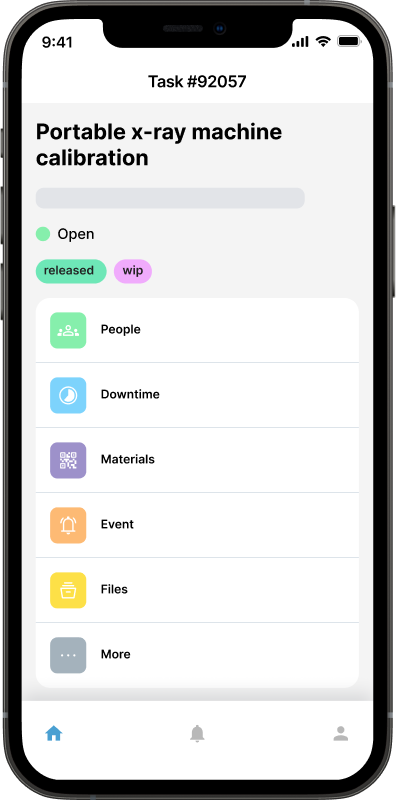
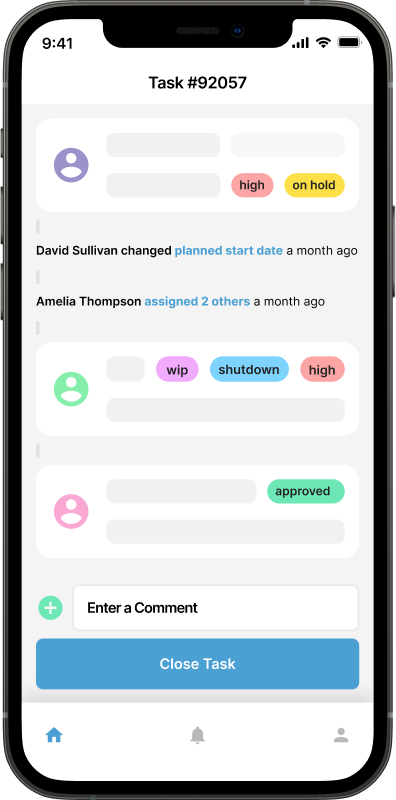
Mobile apps: drivers can log issues and complete checklists from their phones
Automatic reminders: get alerts when maintenance is due based on time or mileage
Simple setup: you should be able to add vehicles and start tracking in minutes, not weeks
Reasonable pricing: pricing that makes sense for small fleets, not enterprise-only plans
Dealing With Breakdowns
Even with good preventive maintenance, breakdowns happen. Here's how to minimize their impact.
Have a Backup Plan
Know what you'll do when a vehicle goes down:
Can routes be redistributed to other vehicles?
Do you have rental agreements in place for emergencies?
Which customers can tolerate a delayed delivery?
Having a plan means a breakdown is an inconvenience, not a crisis.
Capture the Data
When something fails, document it: what failed, what caused it, how long the vehicle was down, what the repair cost. This data helps you:
Identify patterns (same part failing on multiple vehicles?)
Adjust your PM schedule to catch problems earlier
Make informed decisions about vehicle replacement
When to Replace vs. Repair
Every vehicle eventually reaches the point where repair costs exceed its value. For small fleets, this decision matters. Replacing a vehicle is a significant investment.
Watch for these signs that replacement is approaching:
Increasing repair frequency: If a vehicle is in the shop more often than others in the fleet, the trend will likely continue
Major component failures: Transmission or engine problems often signal more failures to come
Reliability concerns: When you're nervous about sending a vehicle on a long route, trust that instinct
Driver complaints: Drivers know their vehicles. If they're avoiding one, there's usually a reason
Good maintenance records make this decision easier. When you can see a vehicle's total cost of ownership (purchase price, maintenance, repairs, fuel), you can make data-driven replacement decisions instead of emotional ones.
Getting Started
Don't try to implement everything at once. Here's a practical 30-day plan:
Week 1: Create a simple vehicle list with current mileage and date of last oil change for each vehicle. Identify any that are overdue.
Week 2: Implement daily driver walk-arounds. Create a checklist and make it mandatory.
Week 3: Schedule any overdue maintenance.
Week 4: Start recording all maintenance activities, including reactive work, like breakdowns.
After 30 days, you'll have the foundation of a fleet maintenance program. From there, refine and expand based on what you learn. The Maintainly support team are experts in getting your asset hierarchy and preventive maintenance program established and operating smoothly.
Tools like Maintainly are designed for exactly this situation: affordable maintenance tracking that grows with your fleet. It's widely considered to be the best CMMS for small and medium sized companies due to usability and ease of getting started.
Start simple, and add sophistication as your needs evolve.
Further Reading

How can preventive maintenance software help large vehicle fleets?
The modern economy consists of millions of companies of all sizes. For many of these firms, operating a large vehicle fleet is a key part of how they get day-to-day tasks done. This often requires fleets of cars, vans, trucks, service equipment and heavy machinery.
Read more →
Fleet Maintenance KPIs: 12 Metrics That Actually Matter
Learn the essential fleet maintenance KPIs that help you reduce costs, improve uptime, and make data-driven decisions. Includes formulas, benchmarks, and practical tips for tracking each metric.
Read more →
What Does CMMS Stand For? Acronym and Meaning
What the CMMS acronym stands for, what the software records once a team has one, and where the category stops.
Read more →
Mobile CMMS Apps: Empower Your Maintenance Team Anywhere
Maintainly is designed to keep your team connected, informed, and productive, wherever their work takes them. Whether you're managing reactive work orders in a busy production facility or performing preventive maintenance in the field, Maintainly ensures your team has everything they need in the palm of their hand.
Read more →