Using Asset QR Codes to Speed Up Maintenance Tasks
 By Eve

Maintenance teams are under constant pressure to do more with less. Assets are spread across buildings or sites, response times matter, and small delays can quickly turn into downtime, complaints, or safety risks. In this environment, even saving a few minutes per task can add up to a major efficiency gain over time.
That’s where QR codes come in. When paired with a CMMS, QR codes make it faster and easier for maintenance teams to access the right information at the right time, without searching, guessing, or switching between systems.
What Are QR Codes in Maintenance & How They Work
In maintenance operations, QR codes are typically placed on or near assets such as HVAC units, pumps, electrical panels, elevators, or rooms. Each code is linked to a specific asset record inside the CMMS.
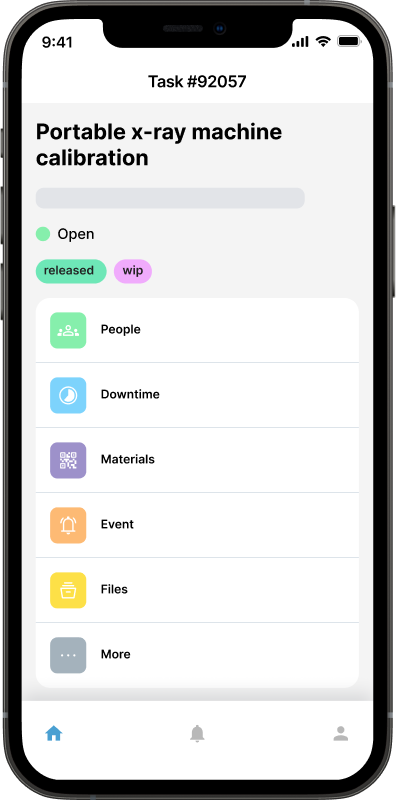
When a technician scans the QR code using a mobile device, they are instantly taken to the asset’s page. From there, they can view maintenance history, open work orders, preventive maintenance schedules, manuals, and notes, all without typing or searching.
The goal is speed and accuracy. Instead of relying on memory or paperwork, technicians get immediate access to up-to-date information right where the work is happening.
Reducing Time Spent Searching for Information
One of the biggest time drains in maintenance is searching for details. Technicians may need to look up asset IDs, dig through binders, ask supervisors for history, or scroll through long lists in a system.
QR codes remove that friction. A quick scan connects the technician directly to the correct asset record. This is especially useful in facilities with similar equipment, where multiple units look alike or are installed in close proximity.
By eliminating guesswork, QR codes help technicians start work faster and reduce the risk of logging work against the wrong asset.
Faster Work Order Updates in the Field
Maintenance doesn’t happen at a desk. Technicians are often on rooftops, in mechanical rooms, or moving between locations. Updating work orders later increases the chance of missed details or forgotten steps.
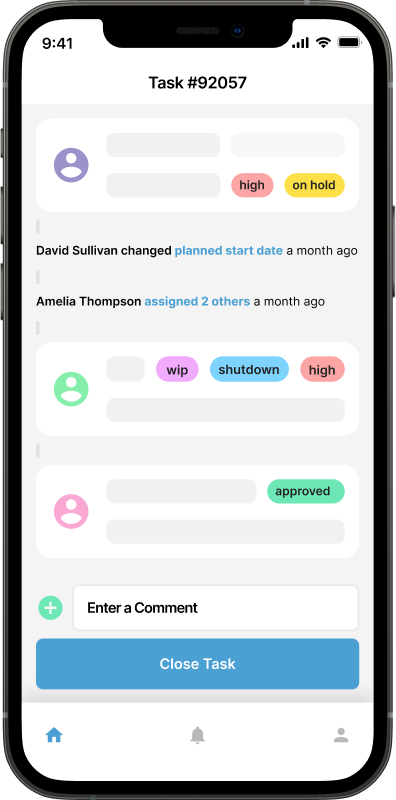
With QR codes, technicians can scan the asset, open the related work order, and update progress in real time. They can log labor, add notes, attach photos, and close tasks while standing in front of the equipment.
This real-time updating improves data accuracy and reduces the need for end-of-shift paperwork. Managers also benefit from better visibility into what’s happening across the facility.
Improving Preventive Maintenance Execution
Preventive maintenance works best when tasks are done consistently and correctly. QR codes help by making procedures and schedules easy to access.
When scanning a QR code, technicians can immediately see upcoming preventive maintenance tasks, checklists, and instructions tied to that asset. This reduces missed steps and ensures work is completed according to plan.
Over time, this consistency helps extend asset life, reduce unexpected failures, and improve overall system reliability.
Supporting New and Less Experienced Technicians
Maintenance teams often include technicians with varying levels of experience. New hires may not be familiar with asset locations, histories, or specific maintenance procedures.
QR codes act as an on-the-job reference tool. Scanning a code provides instant context; what the asset is, what work has been done before, common issues, and how tasks should be performed.
This shortens onboarding time and helps new technicians work more confidently and independently, without constantly asking for help.
Better Asset Identification and Accuracy
Misidentifying assets is a common problem, especially in large facilities. Logging work against the wrong unit can lead to incomplete records, missed maintenance, and reporting issues.
QR codes reduce this risk by linking directly to a specific asset record. There’s no need to manually select from a list or enter an asset number. The scan ensures accuracy every time.
Accurate asset data leads to better reporting, clearer maintenance history, and smarter decision-making over the long term.
Making Audits and Inspections Easier
Inspections and audits require clear documentation. Inspectors may need proof that equipment was serviced, tested, or maintained on schedule.
With QR codes, inspection results can be logged directly against the asset during the inspection itself. Photos, readings, and notes are saved instantly in the CMMS.
This creates a clean, time-stamped record that’s easy to retrieve later. It also reduces the stress and time involved in preparing for audits or compliance reviews.
Useful Across Many Industries
QR codes are flexible and work across a wide range of environments. In property management, they help track HVAC units, fire safety equipment, and shared building systems. In manufacturing, they speed up access to machine history and procedures. In hospitality, they help technicians move quickly between guest rooms and back-of-house equipment.
Because QR codes are low-cost and easy to deploy, they scale well from small teams to large, multi-site operations.
 Best Practices for Using QR Codes Effectively
QR codes can significantly speed up maintenance work, but only if they’re implemented thoughtfully. Simply generating codes and sticking them on equipment isn’t enough. Placement, consistency, data quality, and team adoption all play a role in whether QR codes become a daily productivity tool or just another unused feature.
1. Start With Smart, Durable Placement
QR codes should be placed where technicians can scan them quickly without awkward positioning or safety risks. For HVAC units, that might be on the exterior panel near the service access point. For pumps, electrical panels, or control cabinets, the code should be visible without opening covers or removing guards. At the same time, labels need to be protected from heat, moisture, grease, and cleaning chemicals. Laminated, weather-resistant, or industrial-grade labels last longer and prevent failed scans that frustrate technicians.
2. Use Consistent Labeling Across The Property
Consistency makes QR codes easier to trust and easier to use. Use the same label size, format, and placement logic across similar assets. If rooftop units all have QR codes in the same spot, technicians instinctively know where to look. Clear asset names and IDs on the label help confirm that the correct equipment has been scanned, which is especially important in hotels or multi-site properties with many identical units.
3. Keep Asset Records Accurate And Useful
A QR code is only as valuable as the information it links to. Asset records should be clean, complete, and current. This includes correct asset names, locations, model and serial numbers, maintenance history, and relevant documentation. Adding photos, manuals, wiring diagrams, or service instructions makes each scan more meaningful and reduces guesswork in the field. If technicians scan a code and find outdated or incomplete information, they’ll stop relying on it.
4. Standardize What Technicians Are Expected To Do After Scanning
QR codes work best when they’re part of a defined workflow. Teams should know exactly what to do after scanning, whether that’s opening a work order, logging a meter reading, completing a checklist, or reviewing recent maintenance history. Clear expectations reduce variation in how the system is used and ensure data stays consistent across shifts and team members.
5. Train Teams With Real-World Scenarios
Training should focus on practical, everyday use. Show technicians how scanning a QR code saves time compared to searching for assets manually. Walk through common scenarios like responding to a guest complaint, completing preventive maintenance, or documenting a repair when teams see how QR codes make their job easier.
6. Make QR Codes Part Of Normal Work, Not An Extra Step
QR codes shouldn’t feel like additional admin work. They should replace slower processes, such as looking up asset numbers, flipping through binders, or calling supervisors for information. When scanning becomes the fastest way to access what’s needed, technicians will use it without being reminded.
7. Review And Maintain The System Over Time
QR code programs benefit from occasional check-ins. Periodically verify that labels are still readable, assets haven’t been replaced without updating records, and links still point to the correct information. Small maintenance on the system itself prevents breakdowns in trust later.
Get started with a free CMMS trial
QR codes don’t replace good maintenance processes as they support them. By connecting physical assets directly to digital records, they reduce delays, improve accuracy, and make maintenance work easier in the field.
Maintainly CMMS uses QR codes as a practical way to bring maintenance information closer to where work happens. When technicians spend less time searching and more time fixing, maintaining, and preventing issues, everyone benefits.
Get a free trial of Maintainly CMMS today!
Maintainly QR labels can be printed directly from the maintenance program, or can be ordered in metal and poly qualities.
Further Reading

Spare Parts Inventory Management: A Complete Guide
How to stock the right spare parts in the right quantities: min and max levels, ABC and criticality classification, storeroom layout, part coding, QR tracking and cycle counts.
Read more →
The Power of QR Codes: Revolutionizing Physical Tagging for Modern Applications
QR (Quick Response) codes have transitioned from novelty to necessity in our increasingly digitized world.
Read more →
Maintainly Enhances Material Management with QR Code Integration
Maintainly has upgraded its material management system, transitioning from barcodes to QR codes for all materials (spare parts and consumables). This update expands functionality and improves user experience.
Read more →