Preventive Maintenance Software: Stop Missing Service Intervals Before They Cost You
 By Eve

A vehicle sits in the yard, out of service, because nobody caught the oil change that was three weeks overdue. A compressor fails mid-shift because the filter replacement was logged in a spreadsheet that nobody opened. These are the predictable result of relying on manual tracking to manage maintenance schedules across a fleet or facility.
Preventive maintenance software exists to close this gap. Instead of depending on people to remember, check calendars, or spot-check spreadsheets, the software tracks every asset, schedules every PM task, and sends reminders before intervals are missed. This article explains how it works, what it actually changes for maintenance teams, and how to move from a spreadsheet system to something more reliable.
What Preventive Maintenance Software Actually Does
At its core, preventive maintenance software automates the scheduling and tracking of planned maintenance tasks. It replaces the combination of calendar reminders, spreadsheet logs, and institutional memory that most small-to-medium teams currently rely on.
The core functions include:
Asset-level PM schedules: Each piece of equipment or vehicle gets its own maintenance schedule, tied to time intervals, meter readings (mileage, hours), or a combination of both.
Automatic work order generation: When a PM is due, the software creates a work order automatically. No one has to remember to open a spreadsheet and check.
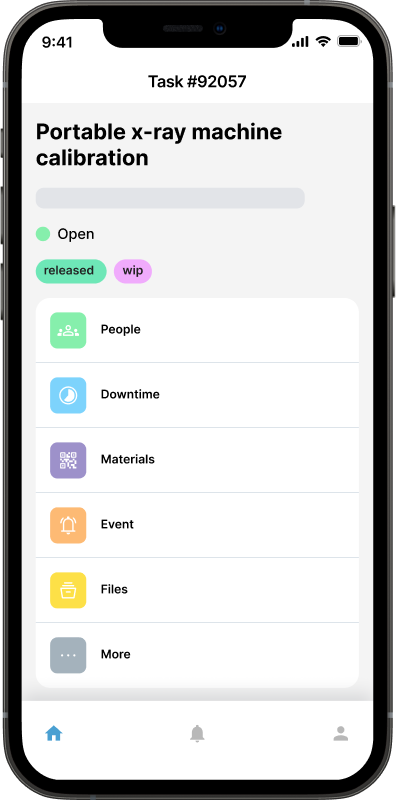
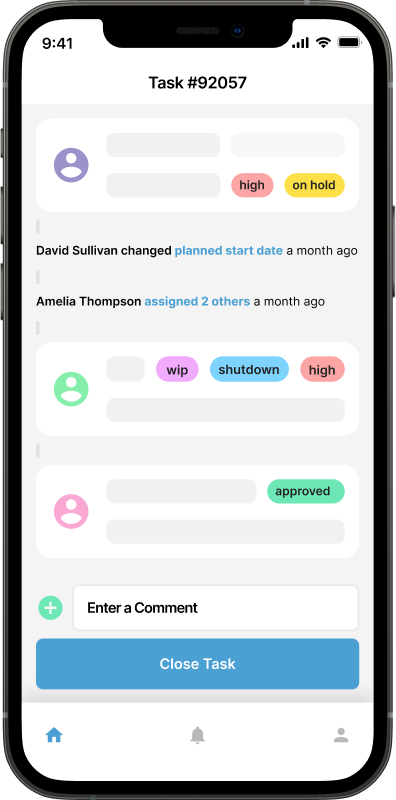
Technician assignment and notification: The system can assign tasks to specific team members and notify them via email or mobile app when work is ready.
Completion records: When a task is done, the technician logs it, often with photos, notes, and parts used. This creates a permanent service history for each asset.
Overdue tracking: Any PM task not completed on time is flagged, so managers can see exactly what is overdue across the entire fleet or facility.
The difference from a spreadsheet is that the software is active. A spreadsheet only shows you what you put in; you still have to open it, check dates, and manually follow up. Preventive maintenance software pushes tasks to the people who need to act on them.
How PM Scheduling Works in Practice

Setting up a PM schedule in maintenance software takes three inputs: the asset, the task, and the trigger.
Time-based triggers are the most common. You set a task to repeat every 30 days, every 90 days, or annually, and the system generates the work order on schedule. This works well for facilities: HVAC filter changes, fire extinguisher inspections, lubrication checks on conveyor systems.
Meter-based triggers are essential for vehicle fleets. You set an oil change to trigger every 10,000 kilometers, and the system watches meter readings entered by drivers or technicians. When the meter crosses the threshold, the PM work order appears automatically. This is far more accurate than calendar-based tracking for vehicles that vary widely in how much they are driven.
Combined triggers (whichever comes first) are useful when equipment ages by both time and use. A generator might need service every 250 hours of runtime or every 6 months, whichever happens first.
Once configured, none of this requires manual effort. The schedule runs in the background, generating tasks at the right time and surfacing them to the right people.
Preventive Maintenance Tracking: Knowing What Is and Is Not Getting Done
Scheduling is only half the problem. The other half is tracking: knowing whether PM tasks are being completed on time, identifying patterns in what gets skipped, and having evidence of compliance when audits or inspections occur.
Spreadsheets typically fail at this. If a technician completes a task but does not update the sheet, the record is lost. If the sheet is updated, there is no easy way to see at a glance which assets are overdue across a fleet of 20 or 30 vehicles.
Preventive maintenance software gives managers a live view of PM compliance. At any moment you can see:
Which assets have PMs due this week
Which tasks are overdue and by how many days
Which technicians have open work orders assigned to them
The full maintenance history of any individual asset, including photos and notes from each completed task
This visibility matters in regulated industries and for fleet compliance. When an inspector asks for service records, the records are already there; logged by the technician who did the work, timestamped, and searchable.
For Fleet Managers: Why Calendar Reminders Are Not Enough
Managing preventive maintenance for a vehicle fleet is a different challenge from managing a building. Usage varies: some vehicles log high kilometers daily while others sit for weeks. A calendar-based reminder system treats every vehicle the same, so either you are servicing low-use vehicles too early (wasting money) or high-use vehicles too late (risking breakdowns).
Preventive maintenance software built for fleets tracks individual vehicle meters. Drivers or service technicians log readings regularly (weekly or at each refuel), and the system recalculates when each PM is due based on actual usage. A vehicle that has covered significant distance gets flagged well before one that has barely moved.
This per-vehicle tracking eliminates the guesswork that leads to over-maintaining low-use vehicles or running high-use vehicles past their service intervals. For a fleet of any size, this kind of precision adds up to real savings and fewer unexpected breakdowns.
Learn more about how preventive maintenance software supports large vehicle fleets.
For Facility Teams: Building a System That Runs Without You
In a facility, whether a warehouse, office building, school, or production plant, the maintenance challenge is breadth. There can be dozens of systems to track: HVAC units, plumbing, electrical panels, fire safety equipment, elevators, compressed air systems, and more. Each has its own maintenance schedule, and the consequences of missing one range from minor discomfort to safety risk to regulatory violation.
What facility maintenance teams need is a system that tracks all of this without requiring a dedicated person to manage the tracking itself. Preventive maintenance software provides that. You set up the schedule once per asset, and the system generates the tasks going forward, quarterly inspections, annual certifications, monthly lubrication checks, without anyone having to remember.
The PM schedule also becomes an onboarding tool. When a new maintenance technician joins the team, they see exactly what needs to happen and when, not just what the previous person happened to remember.
Read more about how CMMS software boosts preventive maintenance strategies.
Moving from Spreadsheets to Preventive Maintenance Software
The transition from spreadsheets does not have to be a large project. Most maintenance teams find that migrating asset records and PM schedules takes a few focused days, not weeks. The key is to start with your highest-priority assets: the equipment or vehicles where a missed PM would have the most serious consequences, and build out from there.
A practical migration approach:
List your assets. Start with every piece of equipment or vehicle that currently has any kind of scheduled maintenance, even if it is only a sticky note or a shared calendar entry.
Document the tasks and intervals. For each asset, list what needs to be done and how often, whether based on time, meter readings, or manufacturer recommendations.
Enter last-service dates. Import or enter the last time each task was completed, so the software can calculate when the next service is due from a real baseline.
Add current meter readings. For vehicle and hour-based assets, enter the current odometer or runtime reading so meter-triggered PMs calculate correctly.
Assign technicians. Connect each task type to the person or team responsible for it, so notifications reach the right people.
Once this foundation is in place, the spreadsheet becomes redundant, not because you deleted it, but because the software is doing what the spreadsheet was meant to do, only automatically and reliably.
Preventive vs. Corrective: What You Are Trying to Avoid
The entire point of preventive maintenance is to avoid unplanned corrective work. Every breakdown that catches you by surprise costs more than the PM that would have prevented it: emergency labor, expedited parts, lost productivity, and sometimes safety incidents.
Preventive maintenance software does not eliminate all reactive work (some failures will always be unpredictable), but it dramatically reduces the share of maintenance driven by breakdowns rather than planning. Teams that track PM compliance tend to see a measurable shift in their maintenance mix over time, with fewer emergency repairs as planned work covers more ground.
For a deeper look at the tradeoffs, see corrective maintenance software vs preventive maintenance software.
What to Look For in Preventive Maintenance Software
Not all maintenance software handles preventive maintenance equally well. When evaluating options, focus on these capabilities:
Flexible trigger types: Time-based, meter-based, and combined triggers. If the software only supports calendar-based scheduling, it will not work well for fleets or equipment with variable runtime.
Mobile access: Technicians need to view, update, and complete work orders from the field, not from a desktop in the office. Mobile apps make this practical.
PM compliance reporting: You need to be able to report on what percentage of PMs are being completed on time, and which assets are consistently falling behind schedule.
Checklists on PM work orders: Structured checklists ensure that technicians complete every step in a PM procedure, not just mark the task as done.
Ease of setup: Software that requires significant configuration time or training delays adoption. Look for a system your team will actually use from day one.
If you are comparing options, this guide to choosing maintenance tracking software walks through the key evaluation criteria in detail.
Supporting Good Maintenance Practices
Preventive maintenance software does not replace good maintenance practices, it supports them. The judgment about what maintenance each asset needs, and at what frequency, still comes from experienced maintenance professionals. What the software provides is a reliable system for ensuring that those maintenance decisions are actually executed, on time, every time.
For transportation fleets and facility teams operating at any scale, the switch from manual tracking to automated PM software tends to pay for itself quickly, through avoided repairs, better compliance records, and maintenance teams that spend their time doing the work rather than managing the schedule.
Try Maintainly free for 14-days.
Further Reading

How can preventive maintenance software help large vehicle fleets?
The modern economy consists of millions of companies of all sizes. For many of these firms, operating a large vehicle fleet is a key part of how they get day-to-day tasks done. This often requires fleets of cars, vans, trucks, service equipment and heavy machinery.
Read more →
How CMMS Software Boosts Preventive Maintenance Strategies
By integrating advanced technology with maintenance operations, CMMS platforms have become indispensable tools for optimizing asset management and ensuring operational continuity.
Read more →
Preventive vs Reactive Maintenance: A Complete Guide
Preventive, corrective, reactive, condition-based and predictive maintenance explained, which assets deserve a schedule, and how a CMMS makes the shift from firefighting to planned work.
Read more →
How to Choose the Best Maintenance Tracking Software in 2026
If you've ever juggled spreadsheets, sticky notes, and whiteboard scribbles to keep maintenance on track, you know it's a recipe for headaches. In 2025, businesses are finally catching up to the fact that old-school methods can't keep up with the complexity of modern equipment, compliance demands, and growing maintenance teams.
Read more →
Implementing Lean Maintenance with CMMS Systems Software: A Practical Guide
This practical guide helps maintenance professionals and companies apply Lean maintenance principles by strategically using CMMS software. We offer solutions for more effective, dependable, and waste-free maintenance.
Read more →