Pre-Shipment Fleet Maintenance: How to Protect Your Vehicles Before Long-Distance Transport
 By Steven Quayle

Every fleet manager eventually faces the same logistical puzzle: a vehicle needs to move from Point A to Point B, and driving it there isn't practical. Maybe you're relocating equipment to a new job site, repositioning underused assets between branches, or retiring a vehicle to a regional resale hub. Whatever the reason, the moment a vehicle leaves your lot on a transport trailer instead of under its own power, your maintenance responsibilities don't end: they shift.
Pre-shipment maintenance is one of the most overlooked steps in fleet operations. Teams that track preventive maintenance meticulously for day-to-day use often skip the extra prep work that shipping requires, assuming the carrier will “handle it.” In reality, a vehicle that isn't properly prepped before transport is far more likely to arrive with mechanical issues, disputed damage claims, or delays that ripple through the rest of your operation.
Here's how to use your existing maintenance workflow to get vehicles shipment-ready, and what to look for in a transport partner once they're on the truck.
Why Shipping Readiness Is a Maintenance Task, Not Just a Logistics Task
It's tempting to treat vehicle shipping as purely a logistics function: book a carrier, confirm a pickup window, done. But the condition a vehicle is in when it's loaded directly affects how it survives the trip and what state it's in when it arrives. A weak battery, a slow tire leak, or a fluid leak that's been “on the list” for two weeks can turn into a real problem after hundreds of miles on a trailer, especially in extreme weather or on multi-stop routes.
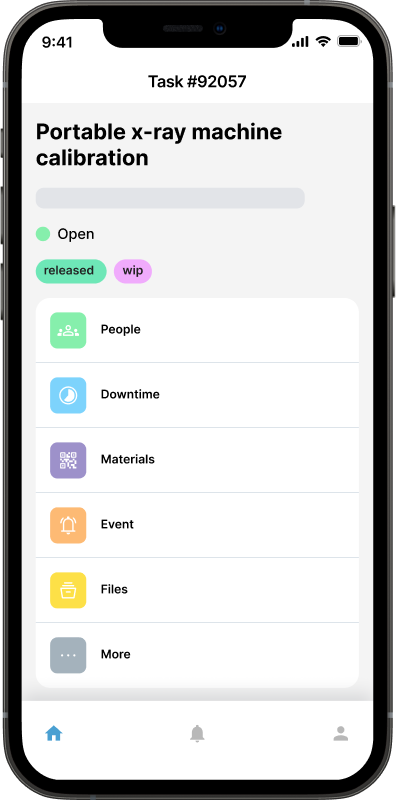
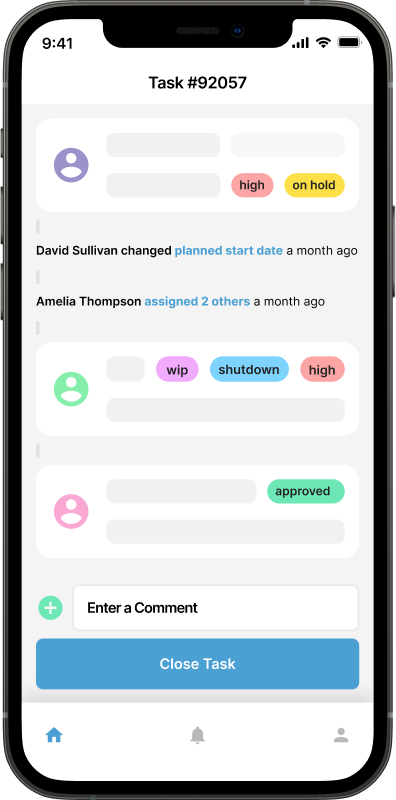
This is where a CMMS earns its keep beyond daily work orders. If your maintenance history is centralized and current, you already have most of what you need to green-light a vehicle for transport: recent inspection results, outstanding work orders, fluid and tire status, and a documented condition baseline you can hand to the carrier.
A Practical Pre-Shipment Checklist
Before any vehicle leaves for transport, run through a short pre-shipment inspection in addition to your standard preventive maintenance checks:
Fluid levels and leaks. Top off oil, coolant, and brake fluid, and flag any active leaks. A vehicle sitting stationary on a trailer for days will pool fluid in ways that create false “new damage” disputes at delivery.
Battery and electrical systems. A battery that's marginal but functional in daily use can die completely after a week of inactivity. Test voltage and replace anything borderline.
Tire pressure and tread. Underinflated tires are a common cause of loading delays and can shift a vehicle's weight distribution on an open carrier.
Fuel level. Most carriers ask for a quarter tank or less, both for weight and safety reasons. Check your carrier's specific requirement in advance.
Alarm systems and toll transponders. Disable aftermarket alarms and remove toll tags so they don't drain the battery or trigger charges en route.
Loose or aftermarket parts. Secure or remove roof racks, antennas, spoilers, and anything not factory-mounted that could be damaged or come loose in transit.
Personal items and equipment. Most carrier insurance doesn't cover items left inside the vehicle, and added weight can affect the load plan.
Run this list as a standardized checklist template in your maintenance system, tied to a “shipping prep” work order type, so it's repeatable across every technician and every vehicle rather than something an individual remembers to do.
Document Everything Before It Leaves
Photograph the vehicle from all angles, including close-ups of any existing scratches, dents, or wear, and timestamp the images. Attach these directly to the asset record in your CMMS along with the completed pre-shipment checklist. This does two things: it gives you a defensible condition baseline if a damage claim comes up later, and it builds a historical record that's useful the next time this same vehicle needs to move.
If you manage a distributed fleet across multiple sites, this documentation habit also makes it much easier to compare an asset's condition over time, not just at the moment of shipment.
Choosing a Carrier That Matches How You Run Maintenance
Once the vehicle itself is ready, the next variable is who's moving it. Look for a carrier that treats condition documentation as seriously as you do: one that performs and shares a pre-pickup inspection, offers real insurance coverage (not just a minimum liability disclaimer), and provides tracking so you know where the asset is throughout the trip.
For fleet and facilities teams that need this regularly (relocating vehicles between sites, shipping equipment to a new job, or moving assets to auction or resale) working with an established carrier network takes the guesswork out of the process. A1 Auto Transport Inc coordinates open and enclosed transport for everything from standard fleet vehicles to heavy equipment and specialty assets, with vetted carriers, insurance coverage, and real-time tracking that pairs well with the condition records you've already built in-house.
After Delivery: Close the Loop
When the vehicle arrives, don't treat delivery as the end of the process: treat it as another maintenance checkpoint. Compare the vehicle against your pre-shipment photos and checklist, log any discrepancies immediately, and open a new inspection work order if anything needs attention before the vehicle goes back into service. This closes the loop between your maintenance records and the transport process, and it gives you clean data if you ever need to file a claim.
Pre-shipment Maintenance
Pre-shipment maintenance isn't a separate discipline from your everyday preventive maintenance program: it's an extension of it. The same habits that keep your fleet reliable on a daily basis (consistent checklists, centralized records, documented condition history) are exactly what make a vehicle shipment go smoothly. Build shipping prep into your existing maintenance workflow, and by the time a vehicle rolls onto the trailer, there's nothing left to guess about.
Further Reading

Small Fleet Maintenance: A Practical Guide for 5-25 Vehicles
Fleet maintenance strategies designed for small businesses with 5-25 vehicles. Learn how to build a maintenance program that works without dedicated mechanics or enterprise software budgets.
Read more →
Fleet Maintenance Checklist: The Complete Guide for Vehicle Fleets
A comprehensive fleet maintenance checklist covering daily, weekly, monthly, and annual inspections. Includes checklists for trucks, vans, service vehicles, and heavy equipment to reduce breakdowns and extend vehicle life.
Read more →