Mobile CMMS for Transportation: Why Maintenance Software Is Critical for Fleet & Infrastructure in 2026
 By Gui

Transportation operations in 2026 look very different from a decade ago. Fleets are larger, compliance standards are stricter, fuel and parts costs are unpredictable, and customer expectations are higher than ever. Whether you manage buses, delivery vans, municipal vehicles, rail assets, or airport ground equipment, one thing is clear: downtime is expensive.
In transportation, maintenance is highly critical for protecting schedules, safety, reputation, and revenue. Many transport companies partner with Maintainly CMMS for both fleet and infrastructure management, and they often share their experiences and feedback with us.
Let’s explore how mobile maintenance software is helping them.
Transportation Maintenance Is More Complex Than Ever
Modern fleets generate more data than ever before. Telematics systems track mileage, engine hours, fuel usage, fault codes, and driver behavior. At the same time, transportation organizations must maintain infrastructure such as depots, terminals, fueling stations, charging systems, and safety equipment.
Maintenance teams are responsible for preventive vehicle servicing, regulatory inspections, emergency repairs, parts inventory management, infrastructure upkeep, and compliance documentation.
Without structured systems, this complexity quickly leads to missed services, reactive repairs, and operational delays.
Downtime Directly Impacts Revenue
In transportation, downtime directly impacts revenue and service levels. A vehicle off the road means missed deliveries, delayed routes, overtime labor, customer dissatisfaction, and contract penalties.
Reactive maintenance often costs significantly more than preventive maintenance. Emergency repairs typically involve higher labor costs, expedited parts shipping, and disrupted schedules.
Mobile CMMS software helps teams move from reactive repairs to proactive planning.
Why Mobile CMMS Matters Specifically for Transportation?

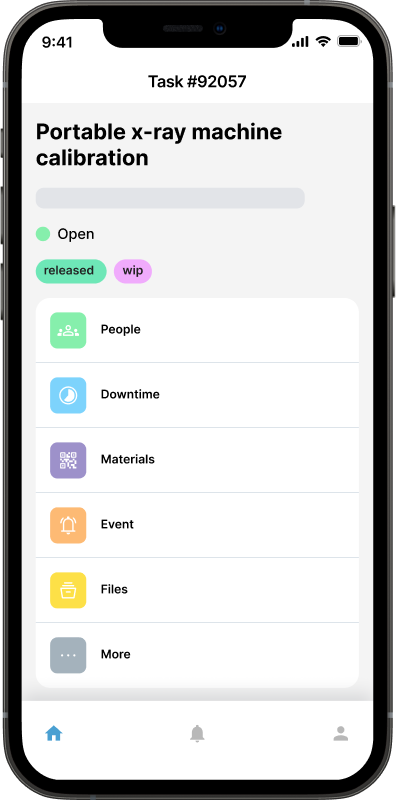
Technicians work in depots, yards, roadside locations, and remote terminals. A desktop-only system creates delays and disconnects between field work and reporting. Our mobile CMMS allows technicians to:
View assigned work orders in real time
Access asset history on-site
Record inspections digitally
Capture photos and notes immediately
Close work orders from the field
1. Preventive Maintenance Keeps Fleets on Schedule
Preventive maintenance is the backbone of reliable transportation operations. Vehicles require servicing based on mileage, engine hours, or time intervals. Infrastructure components also require scheduled inspections. Mobile CMMS supports automated service reminders, meter-based maintenance triggers, recurring inspection schedules, and digital checklists.
Instead of relying on spreadsheets or manual tracking, teams receive alerts before services are overdue. This reduces breakdowns and extends asset life.
2. Compliance and Safety Are Non-Negotiable
Transportation organizations operate under strict regulatory requirements. Depending on the region and type of operation, this may include vehicle inspection documentation, emissions compliance, safety audits, driver safety checks, and infrastructure certifications.
Missing documentation can result in fines, failed audits, or operational shutdowns.
A mobile CMMS centralizes maintenance records, inspection logs, and compliance documentation. Digital records make audits faster and reduce the risk of missing critical information.
3. Real-Time Visibility Improves Operational Control
Fleet managers need immediate visibility into maintenance activity. Without it, decisions are based on outdated information.
With mobile maintenance software, managers can see open work orders, overdue preventive tasks, vehicle status, technician workload, and parts usage. This real-time visibility supports better scheduling and resource allocation.
4. Managing infrastructure alongside fleet assets
Transportation organizations don’t just manage vehicles. They also maintain fuel systems, electric vehicle charging stations, maintenance facilities, safety equipment, and warehouses and terminals.
These assets are just as critical as vehicles. If a fueling system fails or a depot HVAC system breaks down, operations are disrupted. Mobile CMMS allows infrastructure and fleet assets to be managed in one centralized platform, improving coordination and accountability.
5. Inventory management reduces repair delays.
Parts availability plays a major role in fleet uptime. When parts are not in stock, vehicles remain idle longer. Mobile CMMS software tracks spare parts inventory levels, minimum and maximum, stock thresholds, parts usage by asset, and reorder alerts.
This prevents stockouts and reduces repair delays. It also improves cost control by identifying frequently replaced components.
6. Supporting Multi-Site Operations
Many transportation organizations operate across multiple depots or service areas. Managing maintenance across sites can become fragmented without centralized software.
Cloud-based mobile CMMS provides centralized oversight, site-level performance tracking, standardized processes, and shared reporting across locations. Leadership can compare performance metrics across sites and ensure consistency.
7. Data-Driven Decisions In 2026
Transportation organizations increasingly rely on data to guide strategy. Maintenance data provides valuable insights into asset reliability, failure patterns, repair costs, technician performance, and replacement planning.
Over time, this data supports smarter capital planning decisions. Instead of replacing vehicles based only on age, organizations can analyze repair frequency and cost trends with CMMS. It can simply transform maintenance from a reactive expense into a strategic function.
8. Supporting Electric and Hybrid Fleets
The growth of electric and hybrid vehicles introduces new maintenance requirements. EV fleets require battery health monitoring, charging infrastructure maintenance, software diagnostics, and updated technician training.
Mobile maintenance software helps teams manage these specialized assets alongside traditional vehicles, keeping maintenance processes unified.
9. Reducing Paperwork and Manual Errors
Paper-based maintenance systems create inefficiencies, like lost forms, illegible handwriting, delayed data entry, and duplicate reporting. But the case is pretty different with mobile CMMS. As technicians enter data directly into the system, the accuracy is pretty obvious.
10. Improving communication between teams
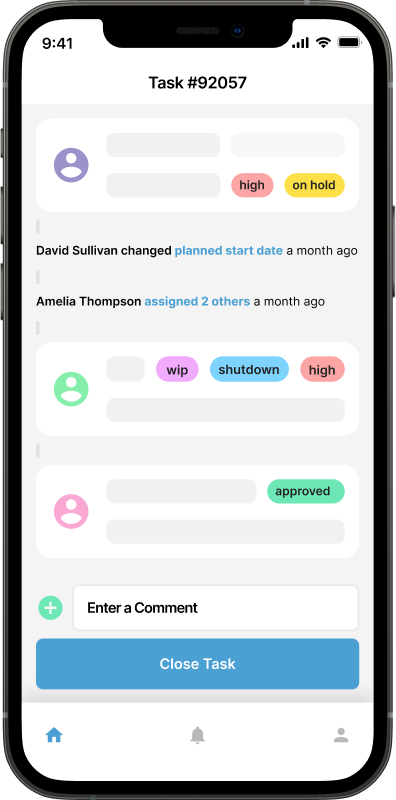
Maintenance teams, dispatchers, and fleet managers must work closely together. A CMMS improves collaboration by sharing real-time updates, notifying teams when work is completed, allowing comments and attachments, and centralizing communication. This reduces confusion and improves accountability.
11. Planning for Growth and Scalability
Transportation demands continue to grow. Expanding fleets and infrastructure require scalable systems. Cloud-based mobile CMMS scales easily as organizations add vehicles, facilities, or users. There is no need for complex local installations or server upgrades. This type of scalability ensures maintenance systems grow with operational demands.
Maintainly for Fleet Maintenance Software
In 2026, maintenance is no longer just a support function. It directly impacts service reliability, customer satisfaction, and profitability. Organizations that invest in structured maintenance processes experience:
Higher fleet uptime
Lower emergency repair costs
Improved safety compliance
Better asset lifecycle management
Transportation operations depend on reliability. Every vehicle, depot, and piece of infrastructure must perform consistently to keep services running smoothly.
Mobile CMMS software provides the structure, visibility, and mobility that transportation teams need. It supports preventive maintenance, compliance tracking, real-time updates, and data-driven decision-making, all in one centralized system.
In transportation, the right mobile CMMS can mean the difference between reactive firefighting and confident, proactive control. That’s why we are offering a 14-day free trial of Maintainly CMMS. Download it now and manage maintenance from your phone.
Further Reading

Small Fleet Maintenance: A Practical Guide for 5-25 Vehicles
Fleet maintenance strategies designed for small businesses with 5-25 vehicles. Learn how to build a maintenance program that works without dedicated mechanics or enterprise software budgets.
Read more →
Time-based preventative maintenance management explained
Time-based maintenance management refers to a maintenance strategy that involves performing maintenance tasks based on predetermined time intervals or schedules. This approach assumes that assets will require maintenance at regular intervals to prevent failures, ensure reliability, and extend each asset's useful life.
Read more →
Fleet Maintenance Checklist: The Complete Guide for Vehicle Fleets
A comprehensive fleet maintenance checklist covering daily, weekly, monthly, and annual inspections. Includes checklists for trucks, vans, service vehicles, and heavy equipment to reduce breakdowns and extend vehicle life.
Read more →