Why Boutique Hotels Need a CMMS More Than the Chains Do
 By Gui

A 300-room chain hotel has a chief engineer, two or three technicians, a preventive maintenance calendar handed down from corporate, and a brand standards audit that forces compliance whether anyone feels like it or not.
A 24-room boutique property has one or two people who handle maintenance, and who also cover a few other jobs when the day requires it.
They know the building better than anyone, which is part of the problem. Much of that knowledge sits in their heads rather than anywhere you could look it up, and when one of them is on leave, a good portion of it is unavailable until they get back.
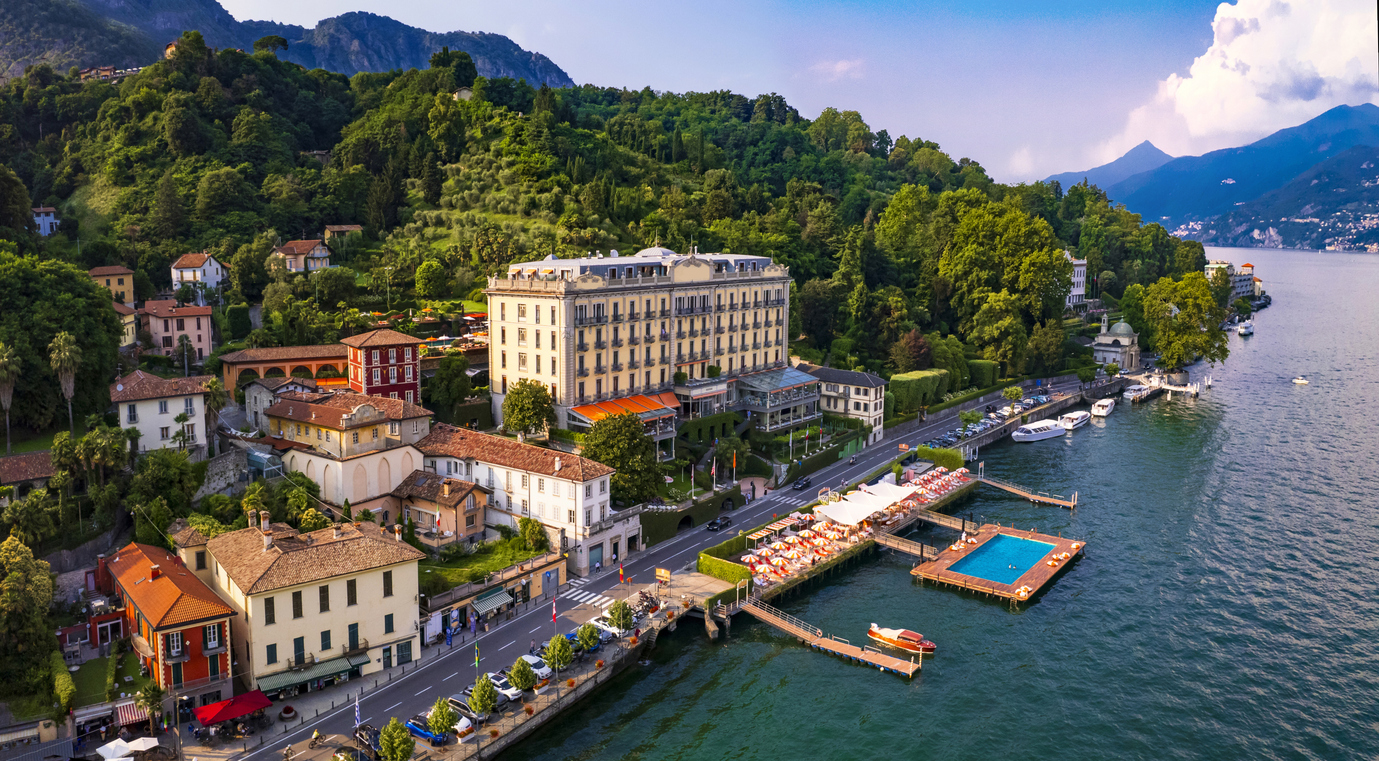
This is the central tension of boutique hotel operations. You compete with the majors on experience, design, and personal service. You do it with a fraction of their staff, none of their systems, and a building that is often older, quirkier, and more temperamental than anything in their portfolio. Meanwhile the guest paying a premium for a heritage room with a claw-foot bath has the same expectation of a working shower as the guest in a purpose-built chain hotel.
A CMMS (computerised maintenance management system) is usually pitched at factories and large facilities teams. That framing has done small hospitality operators a disservice. The problems a CMMS solves are not big-company problems. They are small team problems, and boutique hotels have them in a particularly acute form.
The boutique operating reality
Four things make maintenance at a boutique property structurally different from maintenance at a chain.
There is very little bench. When a chain hotel's technician is off, another technician picks up the work. When one of your two maintenance staff is away, you've lost half your capacity for the week, and anything only that person knew how to do either waits or gets improvised. Small teams can absorb a lot, but they can't absorb processes that depend entirely on individual memory, and in a small property, a lot of them do.
Everyone is a maintenance reporter, but nobody owns the follow-up. Housekeeping notices the loose towel rail. The night manager hears the compressor rattling. A guest mentions the bathroom fan at checkout. In a large hotel, these route into an engineering department. In a boutique, they route into a WhatsApp group, a sticky note, or nowhere at all. Reporting isn’t the bottleneck. Capture is.
Your building is not standard-issue. Converted warehouses, listed Victorians, 1920s hotels with three generations of retrofitted plumbing. Chain properties are built from a repeatable spec with documented systems and a spare parts supply chain to match. Yours has a boiler that one particular local contractor really understands, and a lift that needs a specific part ordered in. That knowledge is valuable and rarely written down anywhere.
Guest satisfaction is the whole product. A business traveller at an airport hotel is buying a bed. Your guest is buying an experience they chose deliberately, paid a premium for, and will often write about publicly. The gap between expectation and reality is where boutique properties get judged, and maintenance issues land right in that gap. Aircon that struggles, a slow-draining bath, a wobbly bedside lamp: minor in isolation, but together they read as "this place doesn’t sweat the details," which is an awkward impression for a property whose whole proposition is that it does care.
The cost of running reactive
Most small properties run maintenance reactively: something breaks, someone tells someone, it gets fixed eventually. It feels efficient because nobody is spending time on planning. The costs are real but distributed, so they never show up as a line item.
They surface as comped nights and rate reductions when a room isn't right. As rooms held out of inventory on a busy weekend because a repair wasn't scheduled during a quiet Tuesday. As emergency callout rates well above the planned-work price. As the review that mentions the aircon, still on your listing page long after the unit was fixed. As capital equipment replaced earlier than it needed to be because it wasn't serviced on schedule.
None of these appear in a maintenance budget. All of them come out of the same P&L.
There’s also a compliance dimension that small operators tend to underweight. Fire safety equipment, gas appliances, pool and spa water testing, legionella risk assessment on the hot water system, food-safe temperature logging in the kitchen. These carry documentation obligations that arrive at the worst possible moment. An inspector, an insurer after a claim, or a lawyer after an incident will ask for records. "We definitely did it" is not a record.
 What actually changes with a CMMS
Strip away the enterprise vocabulary and a CMMS does four things that matter to a property your size.
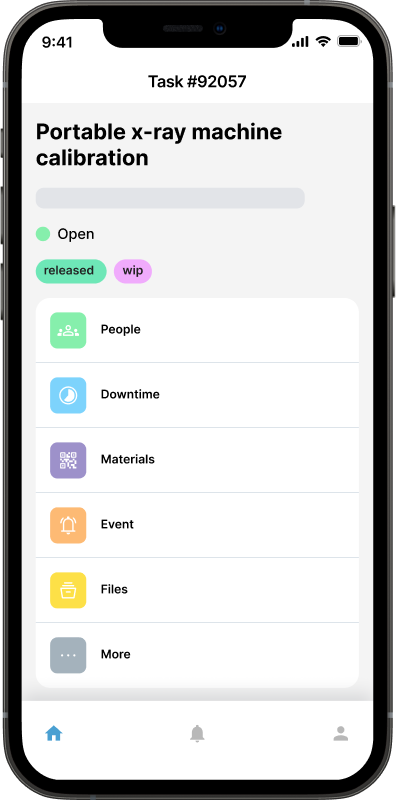
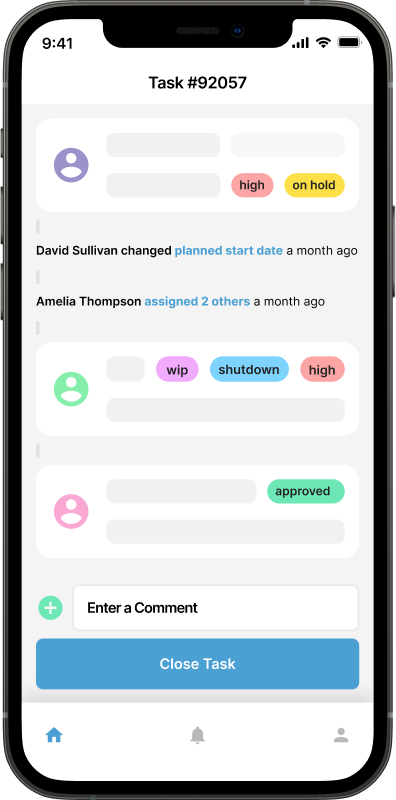
It gives everyone one place to report. Housekeeping flags a fault from their phone while standing in the room, attaches a photo, and moves on. No chasing, no relaying, no "I told the duty manager." The person who spots the problem is rarely the person who fixes it, and every handoff between them is a chance for the job to evaporate.
It makes preventive work happen without anyone remembering. Recurring tasks fire on schedule: quarterly HVAC filters, monthly emergency lighting tests, annual gas safety. The system carries the calendar, not a person. This is the single biggest shift for small teams, because preventive maintenance is always the first thing dropped when the week gets busy, and it's the thing whose absence compounds.
It builds a service history per asset. Every room, every unit, every piece of plant accumulates a record. Room 12's aircon has now been repaired three times in eighteen months: the pattern is visible instead of anecdotal, which turns a replace-or-repair argument into a decision backed by numbers. It also means what your team knows about the building is written down somewhere the rest of the team can reach.
It connects maintenance to the room inventory. You can see what’s out of service, what’s scheduled, and what’s blocking a room from being sold, which lets you schedule disruptive work into low-occupancy windows instead of discovering the conflict on the day.
A starting preventive schedule
Most boutique properties don't need a complicated PM programme. They need a short list that actually runs. This is a reasonable starting point: adjust to your building, climate, and local regulations.
Asset / area | Task | Frequency | Why it matters to guests |
Guest room HVAC | Filter clean/replace, condensate check | Quarterly | Noise and poor cooling are top-3 review complaints |
Guest bathrooms | Drain flush, seal and grout check, extractor fan clean | Quarterly | Slow drains and mildew read as "unclean" |
Hot water system | Temperature check, legionella risk review | Monthly / annual | Compliance obligation plus guest comfort |
Boiler / plant | Full service by contractor | Annual (pre-season) | Failure takes the whole property offline |
Fire safety | Alarm test, extinguisher check, emergency lighting | Monthly / annual | Regulatory; documentation required |
Kitchen equipment | Fridge/freezer temp logs, extraction clean, gas safety | Daily / quarterly / annual | Food safety compliance and service continuity |
Lifts | Contractor service and certification | Per regulation | Outage effectively closes upper floors |
Pool / spa | Water chemistry, filtration, pump check | Daily / weekly | Health risk and a headline amenity |
Guest room fixtures | Room sweep: lamps, sockets, handles, blinds, TV | Per turnover / monthly | The small stuff that generates review comments |
Exterior and grounds | Gutters, drainage, lighting, signage | Seasonal | First impression before check-in |
The room sweep is the one most properties skip and most benefit from. A ten-minute structured walkthrough per room on a rolling monthly cycle catches the loose, flickering, sticking, and wobbling things that no guest reports but many guests remember.
Choosing a system that a small team will actually use
The main risk for a boutique property isn't picking the wrong features. It's picking something so heavy that nobody uses it after month two, and the whole thing quietly reverts to WhatsApp.
Prioritise accordingly:
• Mobile-first, genuinely. Your staff aren't at a desk. If reporting a fault takes more than about thirty seconds on a phone, it won't happen consistently.
• Trainable in an afternoon. Hospitality has some of the highest turnover of any sector. Any system requiring a week of onboarding is a system you will be re-teaching constantly.
• Sensible pricing at your headcount. Per-user pricing designed for industrial teams punishes small operators, particularly if you want casual staff reporting faults, which you do.
• Photo attachments as standard. A picture of the fault removes an entire round of clarifying questions.
• Exportable records. When an insurer or inspector asks, you want to produce documentation in minutes.
Skip, for now: predictive analytics, IoT sensor integration, complex multi-site hierarchies, and anything sold on the strength of its dashboards. Useful at scale. Noise at 24 rooms.
Where to start
You don’t need a project. You need about a week of low-intensity setup.
Start by listing your assets at a sensible level of granularity (Maintainly has a template for this!): each guest room as an asset, plus major plant, kitchen equipment, and shared areas. Don't itemise every lightbulb. Then load the ten or fifteen recurring tasks you already know you should be doing, and let the system own that calendar. Get every staff member (housekeeping, front desk, night staff, casuals) able to log a fault from their phone, and make it explicit that this replaces telling someone verbally. Run it for a month, then look at what the data tells you: which rooms generate the most work, which faults recur, what's costing you.
That last step is where the shift happens. After a quarter you stop guessing about your building and start knowing it: which rooms are problems, which contractor actually turns up, which piece of equipment is quietly eating your budget.
Boutique hotels win on attention to detail. A CMMS is how you keep delivering that when the details outnumber the people.
Maintainly is a CMMS built for small teams who want maintenance handled without the overhead. Try it free for 14 days: no credit card required.
Further Reading
Setting up an Asset Hierarchy: A Guide to Selecting Which Equipment to Include
The exact make-up and format of an asset hierarchy will depend on many factors, such as the type of assets being tracked, their complexity in terms of sub-assets (child assets), the industry, as well as your company's maintenance management and reporting goals.
Read more →
The Best Hotel Maintenance Software in 2026: What the Hospitality Industry Actually Needs
Choosing hotel maintenance software isn't just about features; in an industry with some of the highest staff turnover of any sector, how quickly your team can learn the system matters as much as what it can do. We compare the leading hospitality CMMS platforms and explain why ease of use and fast onboarding should be at the top of every hotel operator's evaluation criteria.
Read more →
Tools to Manage Hotel HVAC, Plumbing, and Electrical Systems
Running a hotel is a 24/7 operation. Guests expect comfortable rooms, reliable hot water, working lights, and quiet, efficient climate control at all times. Behind the scenes, that comfort depends on three critical systems: HVAC, plumbing, and electrical infrastructure.
Read more →